
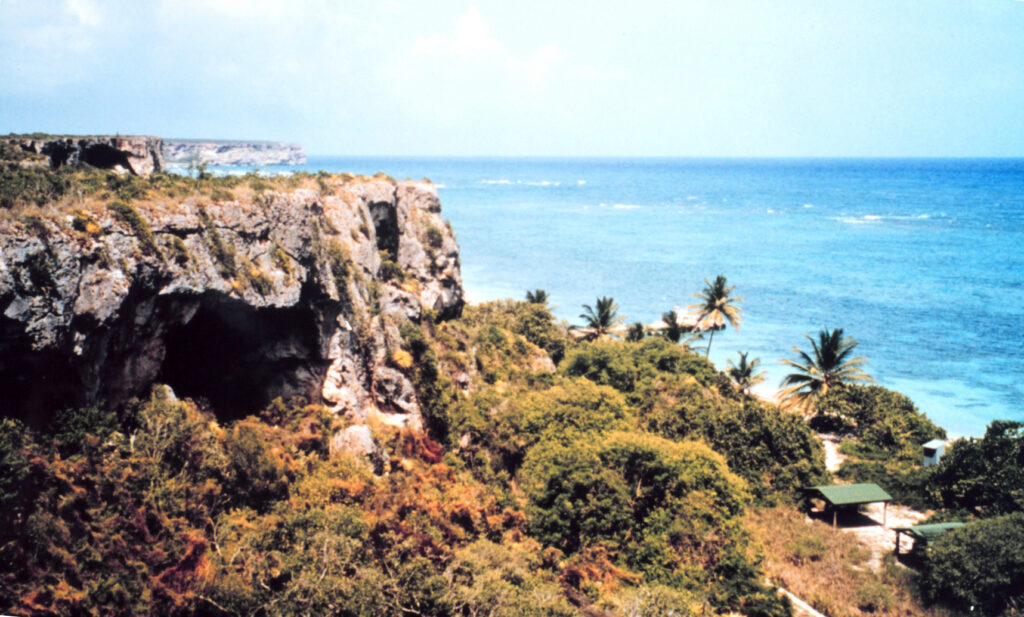
An island of limestone caves, Indigenous history, unusual wildlife, a historic lighthouse, and a maritime past is on my Curious Perro travel research list.
An Island That Makes You Curious
Some places draw you in with beautiful beaches. Others capture your imagination because of the stories hidden beneath the surface. Isla de Mona, off Puerto Rico’s western coast, seems to offer both.
This remote island is known for its rugged limestone landscape, extensive cave systems, unusual wildlife, and archaeological remains that tell stories reaching back centuries. Its location in the Caribbean also connects it to the history of exploration, colonialism, pirates, and maritime travel.
I haven’t visited Isla de Mona. But the more I research this fascinating place, the more I want to see it for myself.
As I explore possible destinations for a future Curious Perro adventure in Puerto Rico, Mona Island has moved onto my list. I’m especially interested in the combination of natural history and human history. It’s the kind of destination that makes me wonder what I might discover around the next bend—or inside the next cave.
Of course, getting there is part of the story.
Where Exactly Is Isla de Mona?
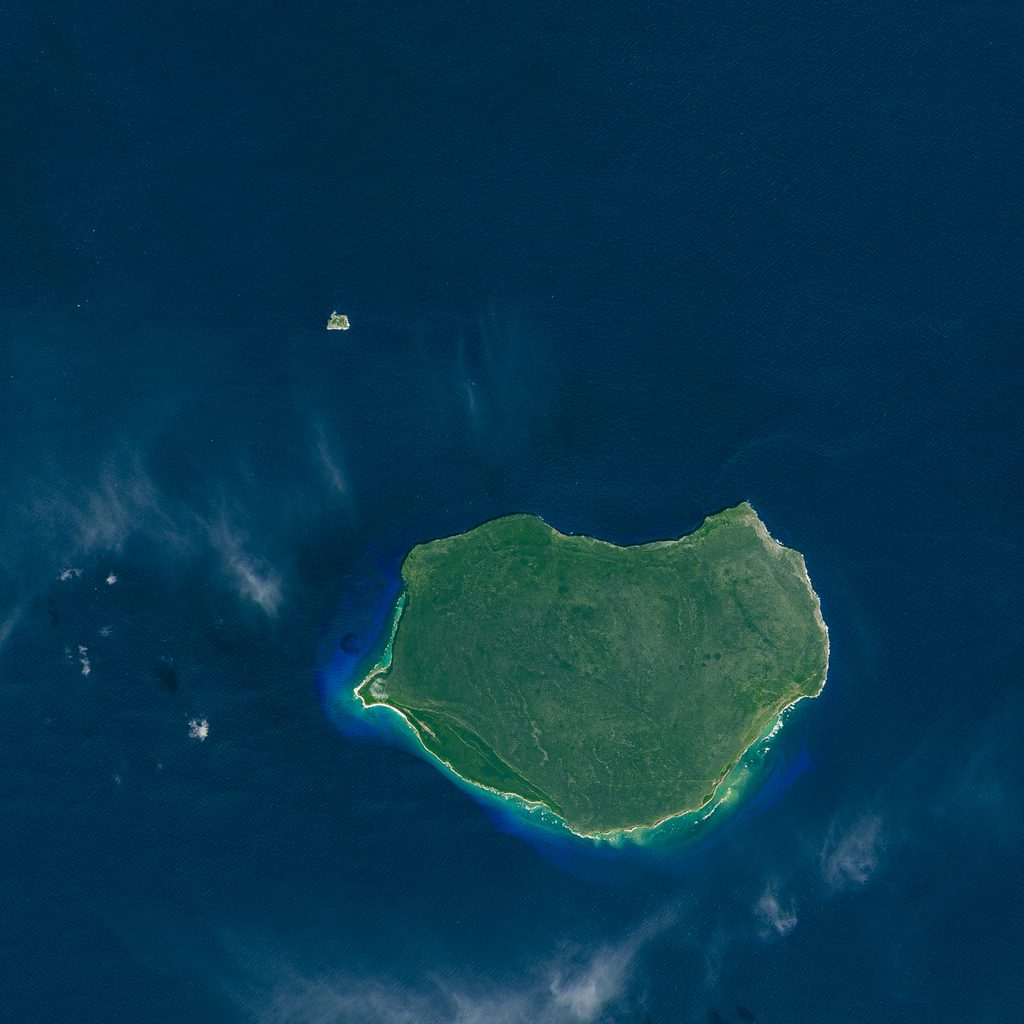
Isla de Mona lies roughly 40 miles west of Puerto Rico’s main island, in the Mona Passage between Puerto Rico and the Dominican Republic. The island covers approximately 22 square miles and is uninhabited.
It is part of the Mona and Monito Island Nature Reserve, managed by Puerto Rico’s Department of Natural and Environmental Resources.
Unlike a typical Caribbean vacation destination, Mona has no resort town, familiar hotel district, or convenient public transportation network. Its appeal lies partly in its remoteness and the relatively wild landscape that has survived there.
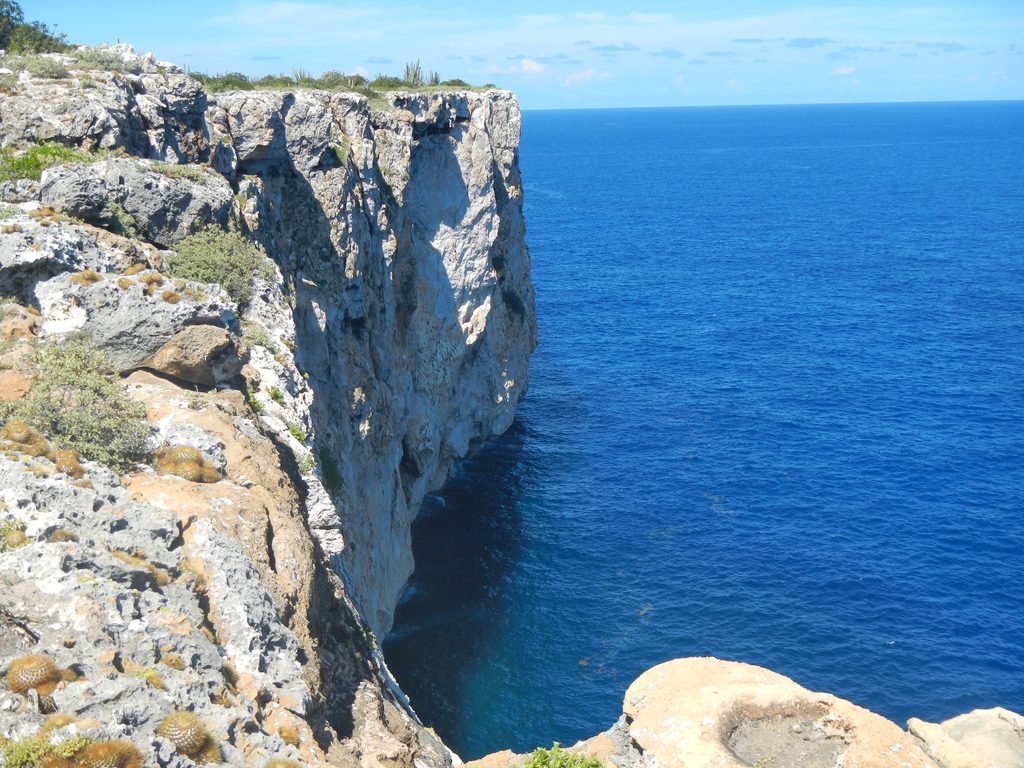
Cliffs rise above the sea. Dry, rocky terrain stretches across the island’s plateau. Beaches sit below rugged coastal edges, while caves cut into the limestone.
This is not simply another island where you arrive, rent a beach chair, and decide what to do after lunch. A trip requires planning, authorized transportation, and attention to the reserve’s rules.
For a curious traveler, that extra effort is part of what makes Mona so intriguing. But it also means that visiting should be approached as a carefully planned expedition rather than an improvised day trip.
Long Before Puerto Rico Became Puerto Rico
One of the most compelling parts of Mona Island’s story begins long before European ships entered Caribbean waters.
Indigenous people visited the island thousands of years ago. Archaeological evidence points to visits by Archaic-era Indigenous peoples roughly 4,000 years before the present, while archaeological remains from later periods document a substantial Indigenous presence.
The Taíno people called the island Amoná, a name associated with a Taíno cacique, or chief, according to Puerto Rico’s Department of Natural and Environmental Resources.
Mona was more than a place to find food or shelter. Archaeological discoveries include evidence of settlement, including a shell midden associated with a Taíno settlement, as well as human remains and a carved stone cemí. Cemí figures and objects held spiritual significance in Taíno culture.
The island also preserves petroglyphs and pictographs in its caves. These markings are among the most fascinating reasons to study Mona’s past because they provide physical evidence of Indigenous presence and cultural expression.
Researchers have identified important ceremonial and ritual associations with the island during the later Taíno period, including between approximately 1200 and 1580.
Imagine entering a limestone cave and realizing that people stood in that same place centuries ago, leaving marks that would outlast generations. What did those images mean to the people who made them? What stories did they tell? Which parts of their meaning can we still understand today?
Those questions are part of what makes archaeological places so compelling. The evidence may survive, even when the full story does not.
For Curious Perro, this is the kind of history worth exploring: not simply what happened, but what the surviving clues can tell us about the people who came before us.
A Landscape Made for Exploration
Mona Island’s limestone terrain is one of its defining features.
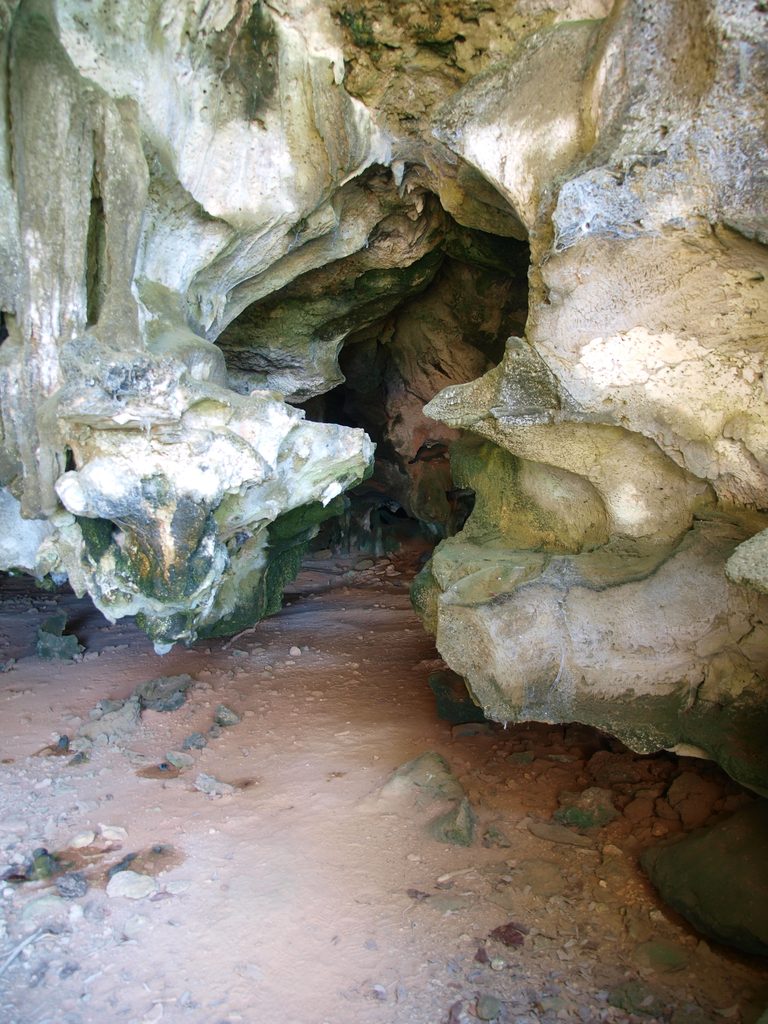
Over long periods, water has worked its way through the island’s limestone, helping create a network of caves and underground formations. Some caves contain dramatic rock features, including stalactites and stalagmites.
One notable example is Cueva de Espiar, near Cabo Barrionuevo. The cave is known for its limestone formations and its archaeological significance.
The island’s caves are not all alike. Some are important for their geological features, while others preserve evidence of human activity. In places like these, natural history and human history overlap.
A cave might offer clues about how water shaped the island, what animals lived there, or how people used the landscape. It may also hold evidence that raises more questions than it answers.
That makes cave exploration particularly appealing to me. But there is an important distinction between being curious about a cave and assuming it is safe or permitted to enter. Some areas may be sensitive, hazardous, or restricted to protect their archaeological and natural resources.
If I eventually make the trip, learning which sites can be visited responsibly will be part of the preparation.
I would love to photograph the cave interiors, the textures of the limestone, and the contrast between the island’s pale rock and the blue Caribbean. More importantly, I would want to understand the stories connected to the places I photograph.
The goal would not be to collect pictures alone. It would be to bring back a better understanding of this extraordinary island.
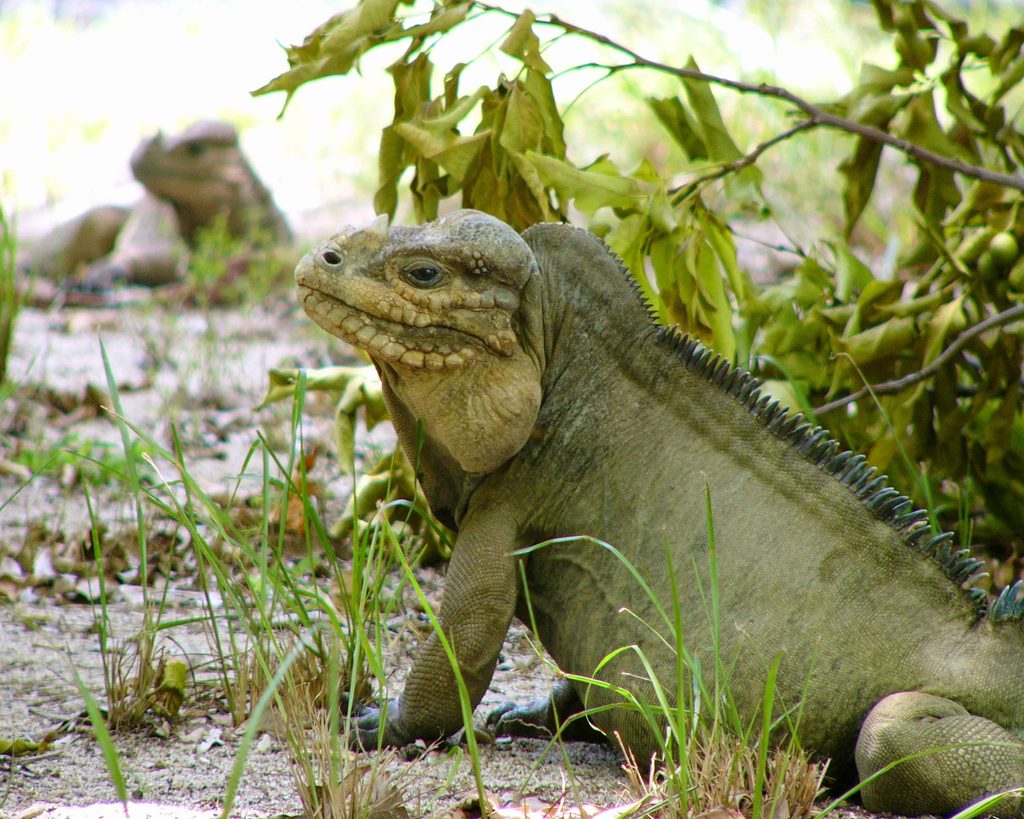
Wildlife on an Island Apart
Mona is also a remarkable destination for wildlife enthusiasts.
One of its best-known residents is the Mona ground iguana, a large reptile native to Mona and nearby Monito. It is one of the island’s signature species and an important reason the reserve receives conservation attention.
The island’s isolation has helped create conditions for distinctive wildlife communities. Its habitats support reptiles, birds, and other animals adapted to a dry, rugged environment.
That is part of the appeal of a place like Mona: the island is not just a backdrop for human history. It is a living ecosystem with its own conservation needs.
And those needs matter. Wildlife photography should never come at the expense of the animals being photographed. Visitors need to follow reserve rules, avoid disturbing nesting or resting wildlife, and leave the landscape as they found it.
If I get the opportunity to visit, I would be thrilled to photograph the Mona ground iguana in its natural habitat. I would also be looking for the smaller details that are easy to overlook: a bird moving across the cliffs, a reptile blending into the rocky ground, or the patterns of plants surviving in a harsh environment.
Sometimes the best travel discoveries are not the biggest landmarks. They are the small details that help you see a place differently.
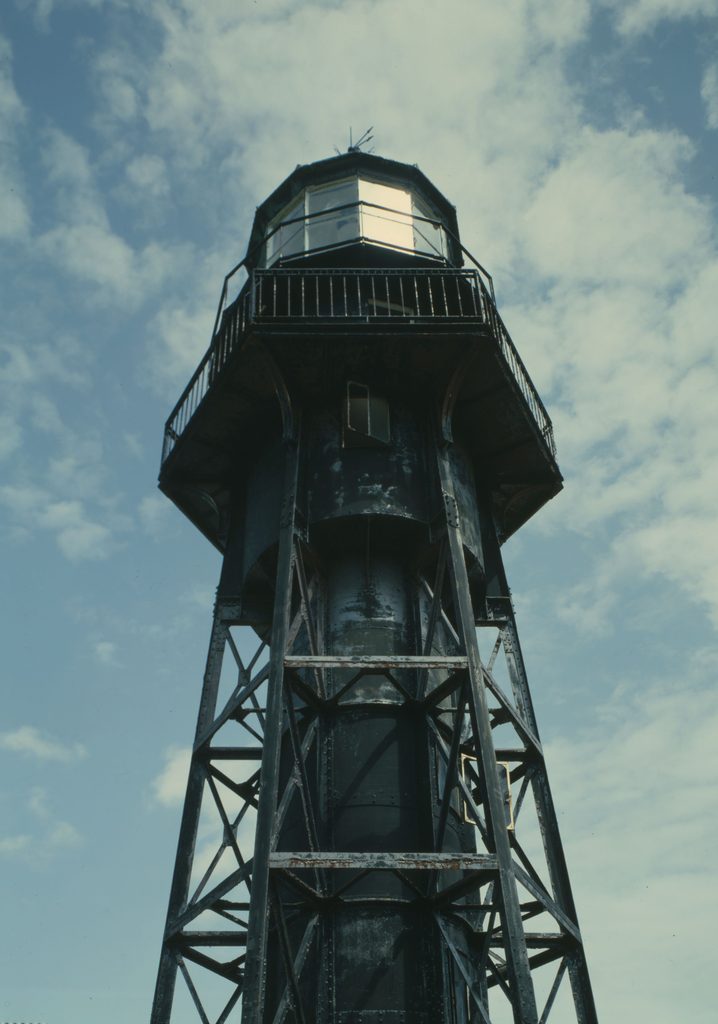
The Lighthouse and the Stories of the Sea
Mona’s location has made it an important point in Caribbean maritime history.
Ships traveling between the islands and along regional routes passed through the surrounding waters. For centuries, Mona offered a place where people could stop, seek shelter, replenish supplies, or wait out difficult conditions.
Puerto Rico’s Department of Natural and Environmental Resources records visits by Christopher Columbus in 1494 and Juan Ponce de León in 1508. The island later became associated with colonial activity and was used by pirates from different countries as a place of refuge and repair.
That history is a reminder that remote does not mean disconnected. Even an island without a permanent modern town can occupy an important position in the movement of people, goods, and power.
The historic lighthouse adds another dimension to Mona’s maritime story.
For anyone fascinated by lighthouses, these structures are more than picturesque subjects for photographs. They represent the long effort to make dangerous waters safer for navigation. A lighthouse also raises questions about the people who built, maintained, and depended on it—and how their work changed over time.
I would love to see Mona’s lighthouse in person, learn more about its history, and photograph it against the island’s dramatic landscape.
It would be especially interesting to understand how navigation around Mona changed over the years and how the island’s lighthouse fit into the broader network of maritime travel in the Caribbean.
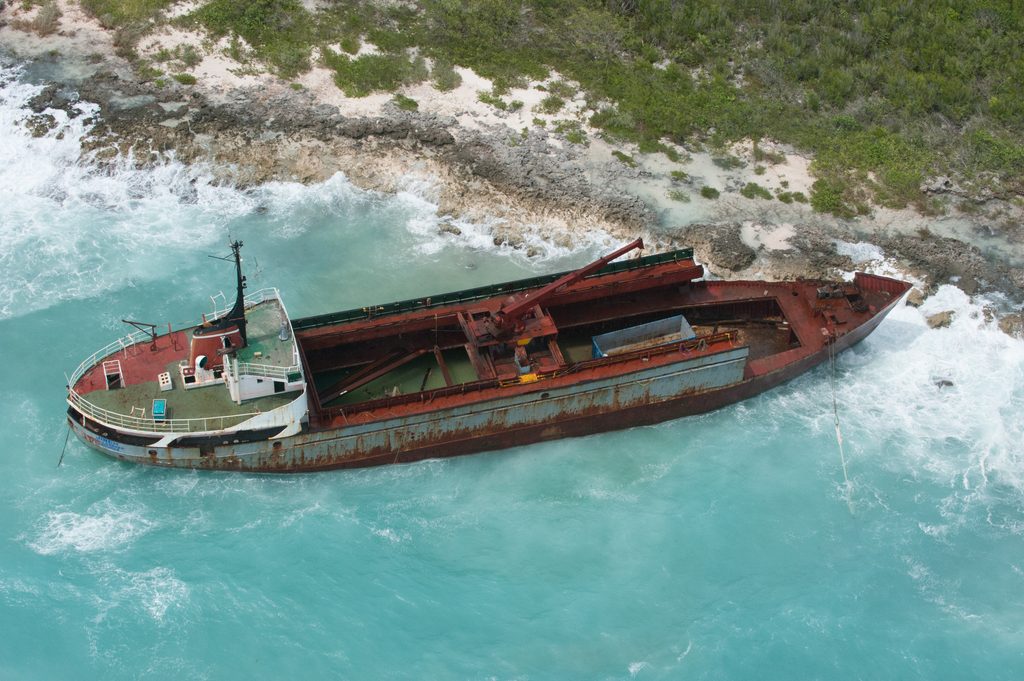
The M/V Jireh: A Modern Shipwreck Story
Mona’s maritime history is not limited to the age of sailing ships.
On June 21, 2012, the freighter M/V Jireh ran aground on a coral reef near the island. The grounding created a serious environmental concern because fuel and other materials aboard the vessel threatened the surrounding marine environment.
The response involved the U.S. Coast Guard, the National Oceanic and Atmospheric Administration, Puerto Rico’s Department of Natural and Environmental Resources, and other agencies.
Removing the ship was a complicated operation. Salvage crews cut the vessel into sections and removed it piece by piece while efforts were made to reduce further damage to the surrounding coral habitat.
According to NOAA, the final piece of the M/V Jireh was removed on October 5, 2012.
That last detail is important because a shipwreck can become part of a place’s visual identity long after the incident itself. Photographs may show a vessel grounded against the shoreline, creating a striking image that seems frozen in time. But the image captures one stage of a much larger story.
The Jireh incident was also a reminder that a ship grounding can affect far more than the vessel. Coral reefs provide habitat for marine life, and damage to those ecosystems can have consequences long after salvage operations end.
A photograph of the M/V Jireh belongs in this story because it documents an actual event in Mona Island’s modern history. The vessel was removed; the photograph should not be interpreted as evidence that it remains on the island today.
For me, this is one of the interesting intersections of travel and research. An image can spark curiosity, but understanding the image means learning what happened before the photograph was taken—and what happened afterward.
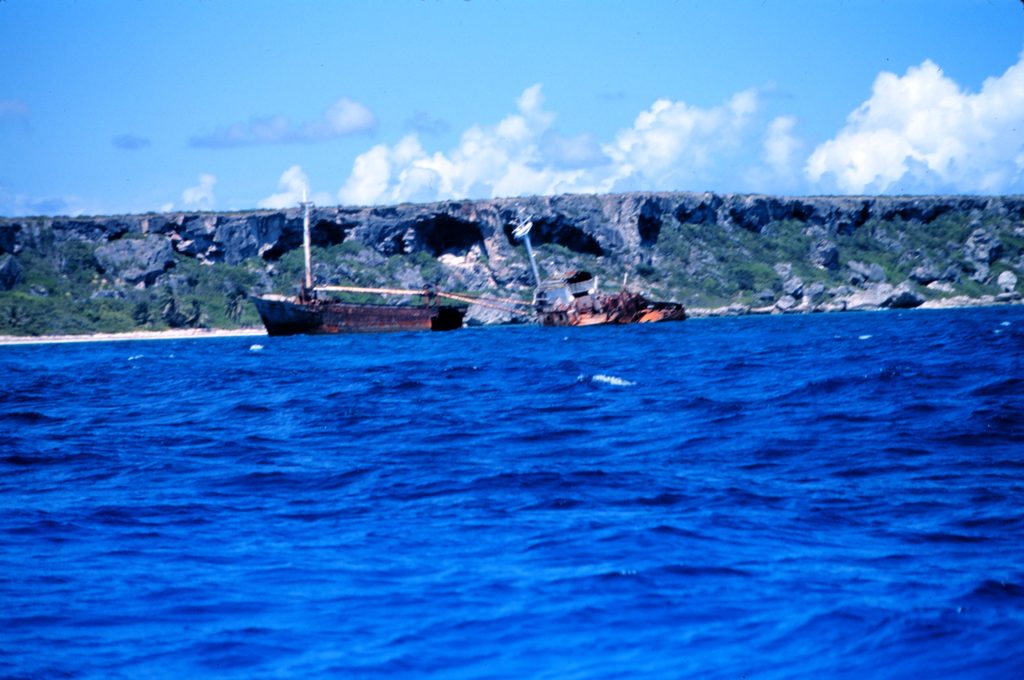
Are There Other Shipwrecks Around Mona?
That is a question I would want to investigate further before visiting.
Mona’s position along historic maritime routes and the challenging waters around its coast make shipwreck history a compelling subject. But it is important to distinguish documented wrecks from stories that have been repeated without reliable evidence.
I would like to learn which historic wreck sites have been identified, what records survive, and whether any remains can be viewed legally and safely from shore or by authorized boat trips.
If I visit Mona in the future, perhaps I will have the opportunity to photograph other shipwreck remains. That would be a fascinating addition to the Curious Perro story—but I would first want to identify the wreck and establish what is known about its history.
There is no need to invent a mystery when the real history is already interesting.
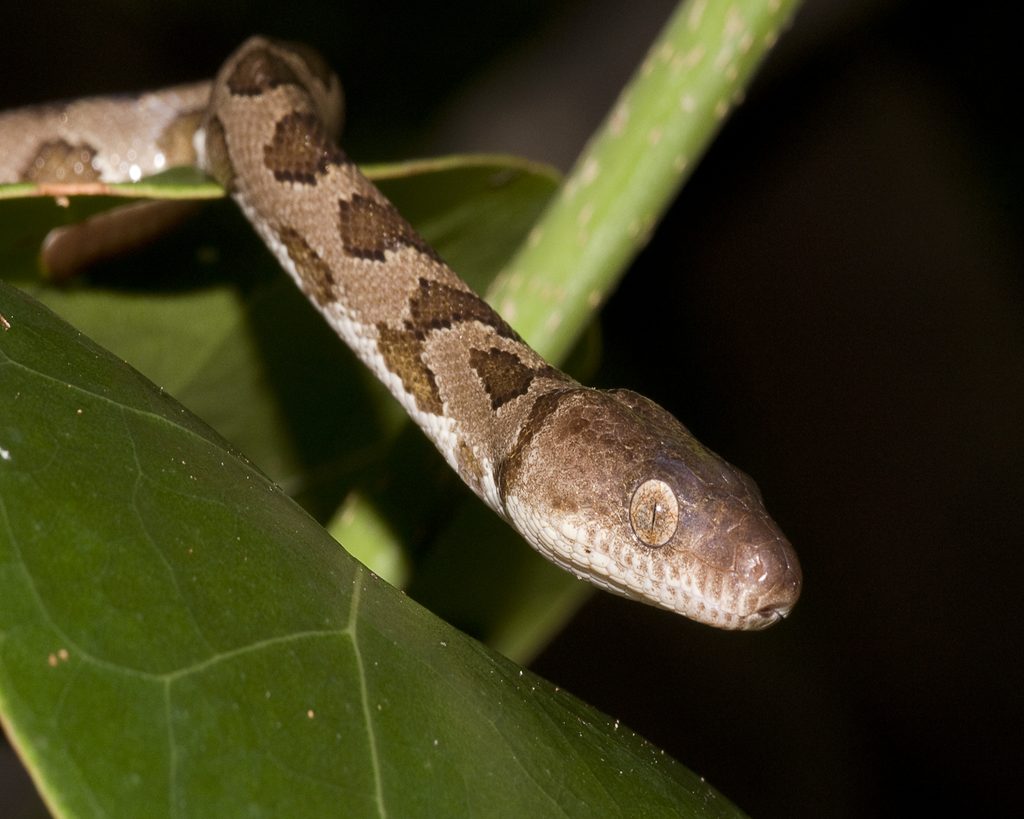
A Remote Island with a Complicated Past
Mona’s history includes Indigenous life, European arrival, colonial exploitation, and use by pirates. Its caves, lighthouse, and maritime setting offer several different ways to approach that past.
The island’s Indigenous history deserves particular attention. The archaeological record provides evidence of people who visited and lived there long before European colonization, and the cave markings preserve traces of their cultural presence.
Later, Mona became part of the wider story of European expansion in the Caribbean. Its location made it useful to travelers and sailors, while its relative isolation also made it attractive to pirates seeking shelter.
These layers of history are connected by geography. The same cliffs, caves, beaches, and surrounding waters that make Mona beautiful also shaped how people used the island.
That is one of the things I enjoy most about researching historical destinations. Geography is rarely just scenery. It helps explain why people arrived, how they lived, what resources they used, and why certain places became important.
Mona is an especially good example because its natural features and historical significance cannot easily be separated.
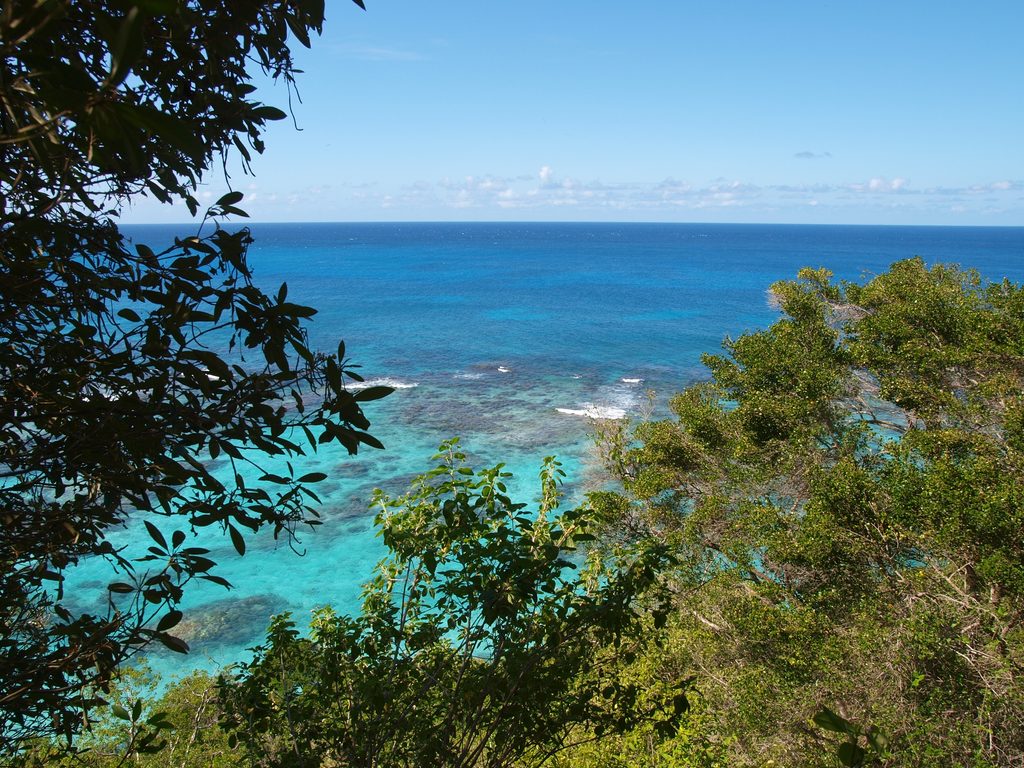
Planning a Future Curious Perro Adventure
So, what would it take to visit?
The first step would be finding out what access is currently permitted. Mona is a protected nature reserve, not an island with a regular public ferry service. Visitors need to plan authorized transportation and comply with the reserve’s current rules and permit requirements.
I would want to confirm the latest guidance with Puerto Rico’s Department of Natural and Environmental Resources and any authorized transport operator before making plans. Access, overnight stays, permitted activities, and available services should never be assumed.
I would also need to think carefully about the practical side of the trip. A remote island with limited facilities calls for preparation. Weather, sea conditions, drinking water, sun protection, appropriate footwear, and emergency planning all matter.
And then there is the research.
Before going, I would like to learn more about the caves, the Taíno archaeological sites, the lighthouse, the island’s wildlife, and the history of known shipwrecks. I would want to know which locations are accessible to visitors and which must be protected from disturbance.
The idea would be to arrive with enough background to appreciate what I am seeing, while leaving room for the unexpected discoveries that make travel worthwhile.
I can already imagine a future article built around the experience: the journey across the water, the first view of Mona’s cliffs, the natural landscape, the stories preserved in its caves, and the historical details that turn a remote island into something much more than a pretty place on a map.
For now, Isla de Mona remains a destination on my research list. But sometimes a good adventure begins long before you pack a bag.
It begins with a photograph, a question, or a place that makes you stop and wonder what else there is to discover.
And Mona Island has certainly done that.
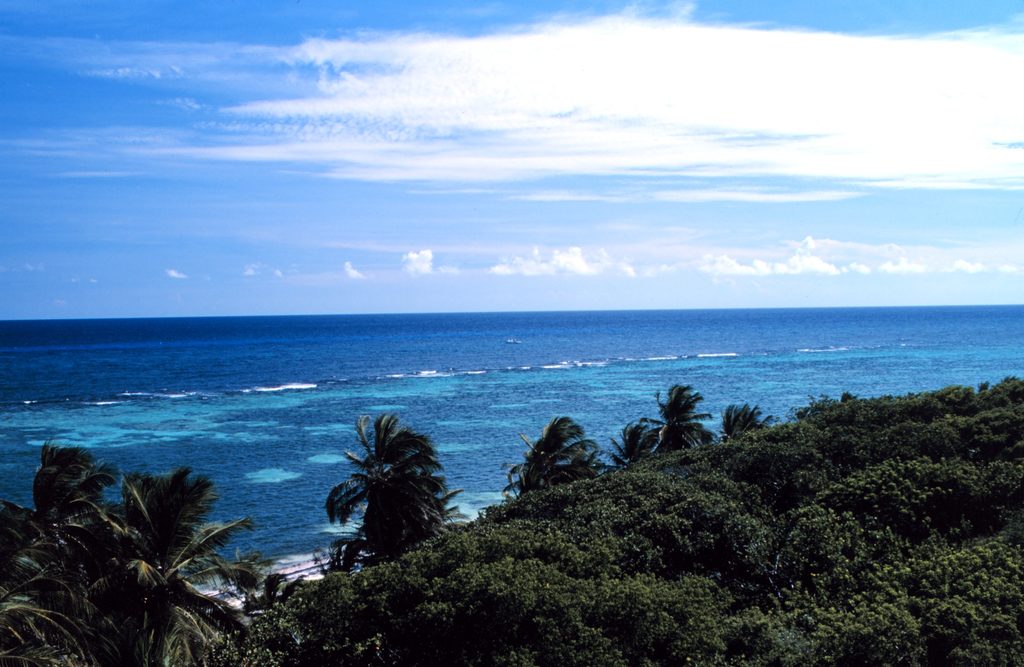
Why Isla de Mona Belongs on My Curious Perro List
What attracts me to Mona is not one single landmark. It is the combination of everything the island represents: an Indigenous past, striking geology, unusual wildlife, a historic lighthouse, and a maritime story that includes modern shipwreck incidents.
It is also a place that demands respect. Its isolation is part of its character, and protecting its wildlife and archaeological sites must come before any visitor’s wish list.
I have more research to do before deciding whether a trip is practical. But I would love to see this remarkable part of Puerto Rico for myself someday—and, if the opportunity comes, share what I learn through Curious Perro.
Until then, the research continues. There is always another story waiting to be found.
Photo credits: Cueva_Diamante,_Isla_Mona,_Puerto_Rico – Felix Lopez, CC BY 2.0 httpscreativecommons.org licensesby2.0, via Wikimedia Commons; Isla_de_Mona,_Puerto_Rico R Torres, CC BY 2.0 httpscreativecommons.org licenses by 2.0, via Wikimedia Commons; Mona_Island_boa_-DPLA-_908f3c5b78bcd4708ee160fe1f1a4b36; Mona_island_iguana_sitting_down_looking_to_the_left; MONA_Island_LandSat8_OLI; Mona_Island_Light; MV_Jireh_120825-G-RT555-465; Playa_Pajaros,_Mona,_Puerto_Rico; Playa_Sardinera_en_Isla_de_Mona,_Mayagüez,_Puerto_Rico – Felix Lopez, CC BY 2.0 httpscreativecommons.org licenses by 2.0, via Wikimedia Commons; The_reefs_off_Mona_Island_are_the_resting_grounds_for_many_ships & The_shaded_variations_in_the_water_illustrate_the_patch_reefs_common_at_Mona_Island
Curious Perro — Live the Life Less Traveled. Stay Curious.