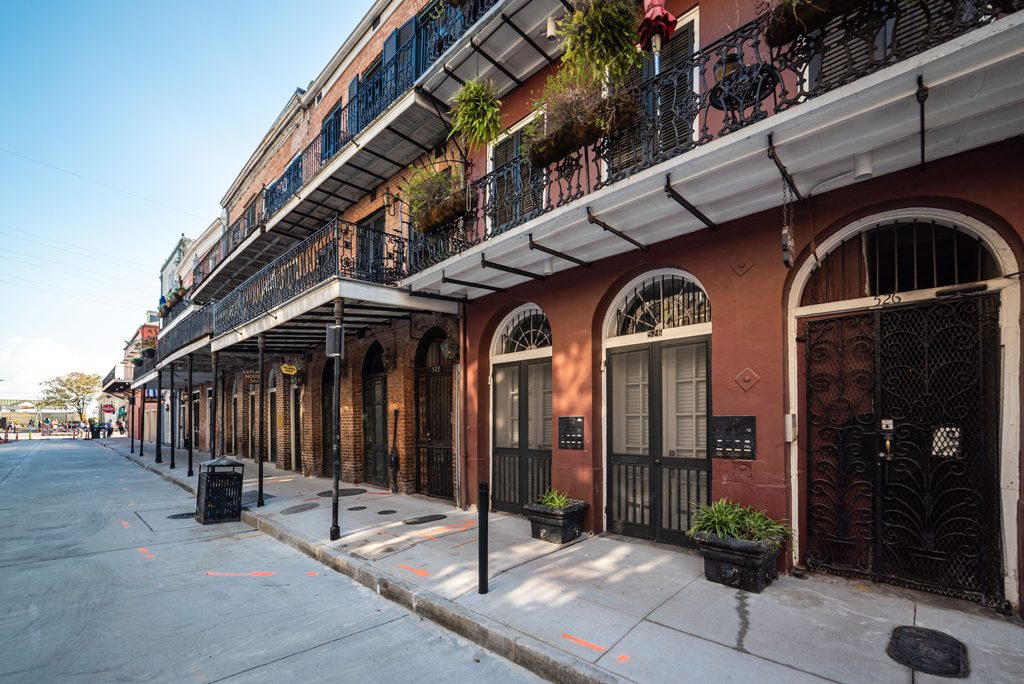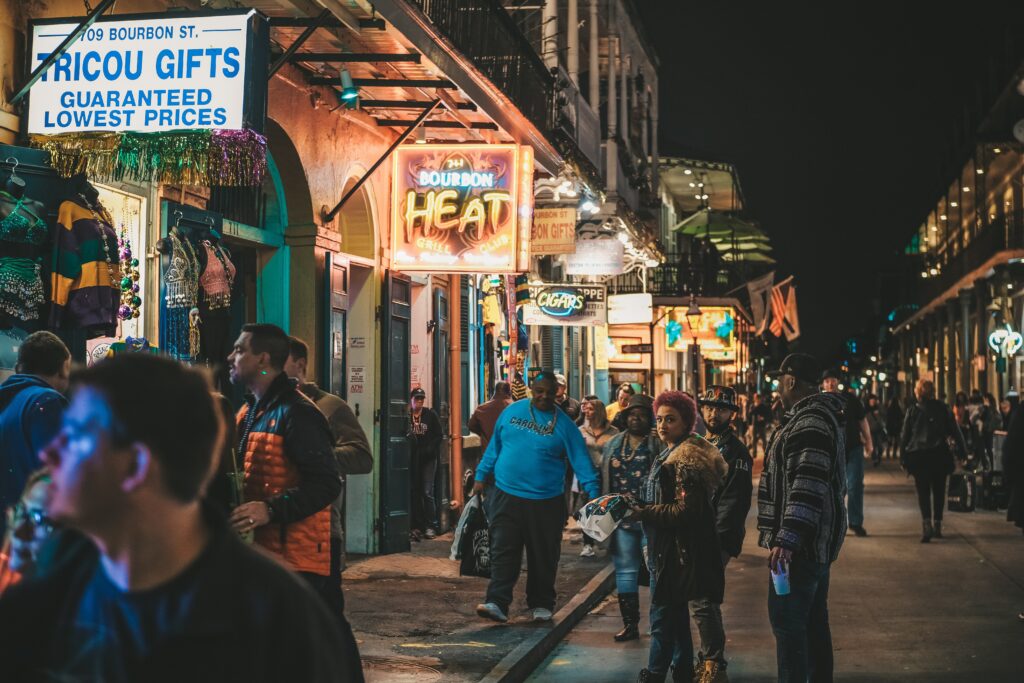
New Orleans is a city that reveals itself in layers. Its music spills out of neighborhood bars, its architecture reflects centuries of French and Spanish influence, and its streets carry stories of the people who have made this city unlike anywhere else in America. But perhaps one of the most enjoyable ways to understand New Orleans is through its food.
The city’s restaurants and cafés are more than places to grab a meal. They are gathering places, neighborhood landmarks, family businesses, and keepers of culinary traditions. A po’boy, a muffuletta, a bowl of gumbo, or a plate of red beans and rice can tell you something about the people, history, and everyday life of Louisiana.
For this Curious Perro exploration, we’re starting with iconic and relatively budget-friendly places on Bourbon Street and around the French Quarter. Some are tiny neighborhood counters, some are old-fashioned diners, and others are famous cafés that have become part of the New Orleans experience. They offer a delicious introduction to the city’s flavor without requiring a formal, expensive dining experience.
A little history behind the food
New Orleans’ food culture grew from the many communities that converged along the Mississippi River. French and Spanish colonial influences mixed with African, Native American, Caribbean, Sicilian, and other immigrant traditions. The result is a distinctive food culture that is difficult to reduce to a single label.
Two terms visitors often encounter are Creole and Cajun. They are related, but they do not mean the same thing. Creole cooking developed in the more cosmopolitan setting of New Orleans, drawing on a wide range of cultural influences and often featuring seafood, tomatoes, herbs, and rich sauces. Cajun cooking has deeper roots in rural South Louisiana and its Acadian heritage, with hearty one-pot dishes, smoked meats, and rustic country cooking. The traditions have influenced one another over time, and both are represented on New Orleans menus.
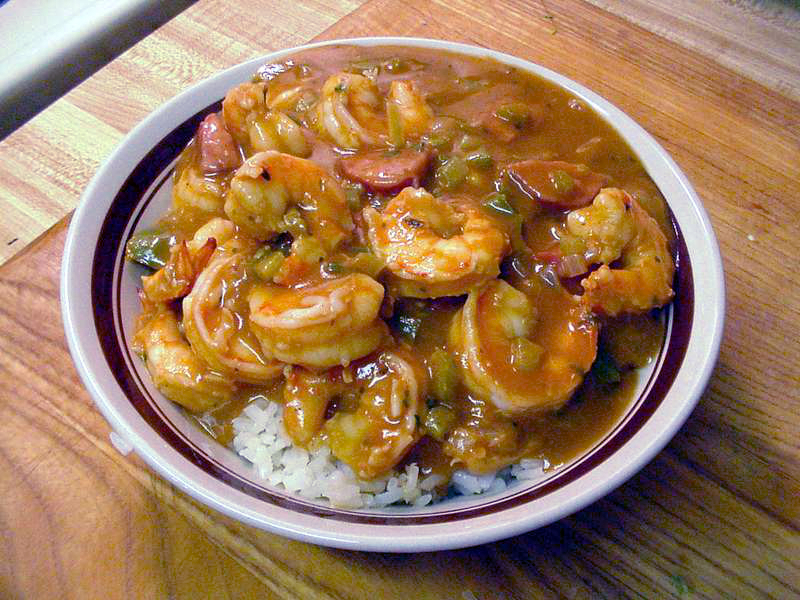
Some of the city’s best-known foods have their own stories:
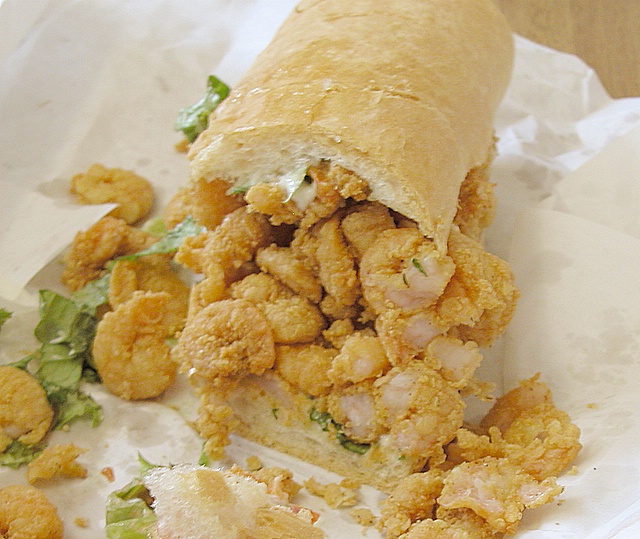
- Po’boys: Substantial sandwiches traditionally served on French bread, with fillings such as roast beef, fried shrimp, oysters, or other seafood.
- Muffulettas: Large round Italian-style sandwiches filled with cured meats, cheese, and olive salad, reflecting the city’s Sicilian heritage.
- Gumbo: A deeply flavored stew often built around a roux, with combinations of seafood, chicken, sausage, or other ingredients.
- Jambalaya: A seasoned rice dish with variations that reflect both Creole and Cajun traditions.
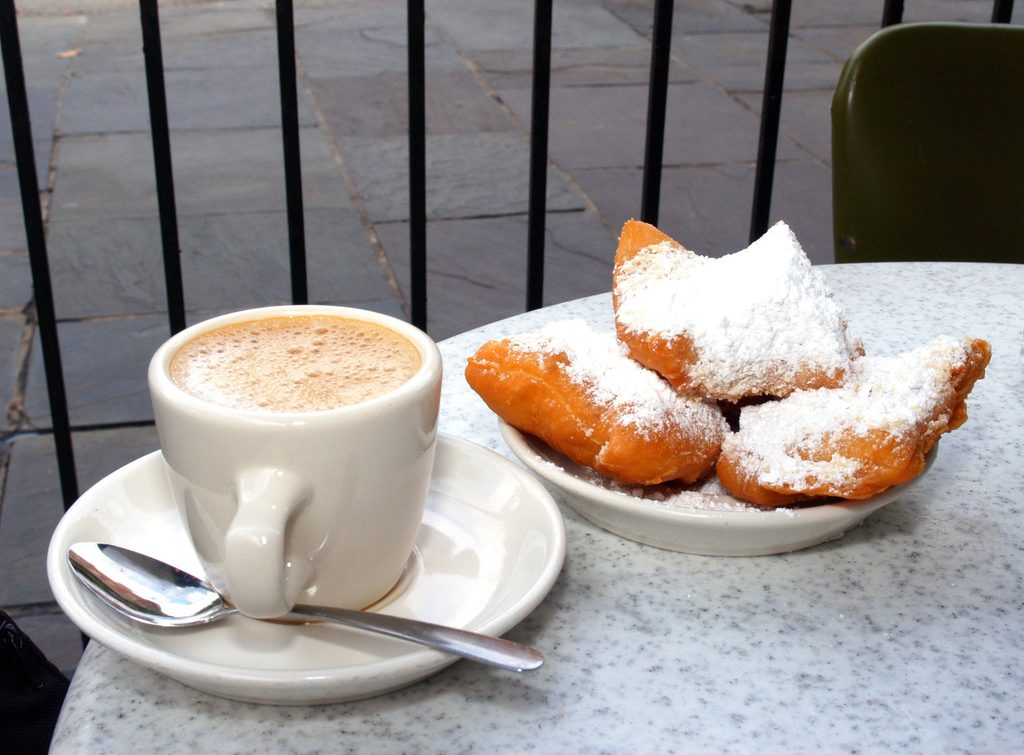
- Beignets and café au lait: A beloved New Orleans café pairing, especially when the coffee is blended with chicory.
With that background in mind, let’s explore some of the places where visitors can sample these flavors.
On Bourbon Street
Clover Grill – A 24-hour slice of old-school New Orleans
Website: Clover Grill
At 900 Bourbon Street, Clover Grill is a wonderfully quirky contrast to the street’s nightlife. Established in 1939, this longtime diner embraces a retro atmosphere, with pink menus, 1950s-style stools, and a relaxed, no-frills personality. It has the feel of a place that has seen generations of locals, night owls, service workers, and curious visitors come through its doors.
Clover Grill is especially known for its burgers, including its famous hubcap burger, cooked beneath a metal hubcap on the grill. The restaurant also serves breakfast and traditional diner comfort food. Whether you’re looking for eggs and coffee in the morning or a burger after a late night on Bourbon Street, this is the kind of casual stop that fits the neighborhood’s anything-goes character.
It is also one of the most practical options for travelers with unusual schedules: Clover Grill advertises itself as open 24 hours a day, every day.
NOLA Poboys – A Bourbon Street stop for New Orleans sandwiches
Website: NOLA Poboys
Located at 908 Bourbon Street, NOLA Poboys has been serving the French Quarter since 1987. Its casual, counter-service style makes it an easy stop when you’re looking for something filling without sitting down to a formal meal.
The menu focuses on New Orleans sandwich favorites, including roast beef and seafood po’boys, along with gumbo, muffulettas, and other comfort-food choices. One of the local-style specialties worth noticing is the roast beef po’boy with its rich gravy. In New Orleans, roast beef po’boys are often served with debris — the tender bits of beef that fall apart during cooking and mingle with the gravy.
The restaurant also offers debris fries, a hearty combination of fries, cheese, and savory roast-beef debris. Portions can be generous, so sharing may be a good idea. Its late-night hours make it particularly convenient for people exploring Bourbon Street after dark, although hours can vary by day.
Café Beignet – Beignets, coffee, and a little live jazz
Website: Café Beignet
Café Beignet began in 1990 at 334 Royal Street, bringing together the atmosphere of a French-style café and the flavors associated with New Orleans. Today it has several French Quarter-area locations, including one at 311 Bourbon Street.
The star of the show is the beignet: a square, deep-fried pastry served hot and generously covered with powdered sugar. The outside is crisp, the inside soft, and the sugar has a habit of finding its way onto your clothes. That’s part of the fun.
Pair a plate of beignets with café au lait, a New Orleans favorite made with coffee and milk. Café Beignet’s Bourbon Street location also advertises live jazz daily, giving visitors a chance to enjoy music along with their coffee and pastries.
It is a fun stop for a sweet break, a relaxed breakfast, or a little people-watching. If you’re looking for a café experience with music and a lively atmosphere, this is a good one to put on your list.
Around the French Quarter
Verti Marte – A neighborhood deli with a famous sandwich
Website: Verti Marte
At 1201 Royal Street, Verti Marte is not a polished restaurant or a traditional café. It is an unassuming neighborhood deli and convenience store with a loyal following and a reputation for big sandwiches.
Its best-known creation is the All That Jazz po’boy. This substantial sandwich combines grilled ham, turkey, shrimp, Swiss and American cheeses, grilled mushrooms, tomatoes, and the shop’s signature Wow sauce. It is a combination of flavors that may sound unconventional, but it has become a local favorite.
Verti Marte also serves other sandwiches, breakfast items, and prepared food. Its casual, takeout-oriented setup is part of its appeal. This is a place to pick up something hearty and enjoy it nearby while watching the neighborhood go by.
The shop has a strong late-night reputation, making it a useful name to remember when other kitchens have closed. Check current hours and service before planning a very late visit.
Johnny’s Po-Boys – A classic sandwich counter
Website: Johnny’s Po-Boys
A short walk from Bourbon Street, Johnny’s Po-Boys is located at 511 St. Louis Street. This is the kind of straightforward sandwich shop that helps explain why the po’boy has become such an enduring part of New Orleans food culture.
The atmosphere is casual and unpretentious, with counter service, simple tables, and sandwiches wrapped for an easy lunch. The selection includes traditional fillings such as shrimp, oysters, and roast beef, along with many other choices. Breakfast is also available.
A dressed po’boy typically comes with lettuce, tomato, and mayonnaise, although the details depend on the sandwich and the customer’s preference. The bread is important: a good po’boy needs a light interior and a crust that holds up to the filling.
Johnny’s is a good choice for visitors who want to focus on the sandwich itself rather than a big restaurant experience. It is a lunch stop, so check its current opening days and hours before heading over.
Coop’s Place – Down-home cooking on Decatur Street
Website: Coop’s Place
Since 1983, Coop’s Place has been a Decatur Street fixture, known for its relaxed, lively atmosphere and hearty Louisiana cooking. Its own slogan, “Where the not-so-elite meet to eat,” gives a sense of its informal personality.
This is a good place to look beyond the familiar tourist dishes and try some of the robust flavors associated with Louisiana cooking. Popular menu choices include rabbit and sausage jambalaya, fried chicken, seafood gumbo, and the Coop’s Taste Plate, which brings together several dishes in one meal.
Jambalaya is a particularly fitting choice here. It is a seasoned rice dish cooked with ingredients such as meat, sausage, vegetables, and spices. Recipes vary across Louisiana, and the dish reflects the region’s tradition of making satisfying meals from locally available ingredients.
Coop’s is a little more of a sit-down restaurant than a quick sandwich counter, and the final bill will depend on what you order. One important detail for visitors: the restaurant does not allow anyone under 21, and it does not take reservations. Families traveling with children should choose another stop.
Café du Monde – A New Orleans tradition since 1862
Website: Café du Monde
Few places are as closely associated with New Orleans as Café du Monde in the French Market. Established in 1862, this historic coffee stand has become one of the city’s best-known food landmarks.
The menu is famously simple: beignets, coffee and chicory, milk, and a few other drinks. The beignets arrive in a serving of three, covered in powdered sugar. The traditional coffee is dark-roasted and blended with chicory, then often served au lait — mixed with hot milk.
Chicory has an interesting place in New Orleans coffee history. It was used in periods when coffee was scarce and became part of the local taste for a stronger, distinctive brew. Today, coffee and chicory remain closely associated with the city’s café culture.
Café du Monde is more than a place to grab a pastry. Its location near Jackson Square and the Mississippi River makes it a natural stop while exploring the historic heart of the French Quarter.
One practical note: despite its longstanding reputation for late hours, the original French Market location is not currently listed as open around the clock. Its published hours are 7:15 a.m. to 11 p.m. Sunday through Thursday, and until midnight Friday and Saturday. Check the official site before visiting.
Two more French Quarter favorites worth adding
Central Grocery – The home of the original muffuletta
Website: Central Grocery
At 923 Decatur Street, Central Grocery is one of the most important additions to this food-focused tour. Founded in 1906 by Sicilian immigrant Salvatore Lupo, the old-fashioned grocery is credited with creating the muffuletta sandwich.
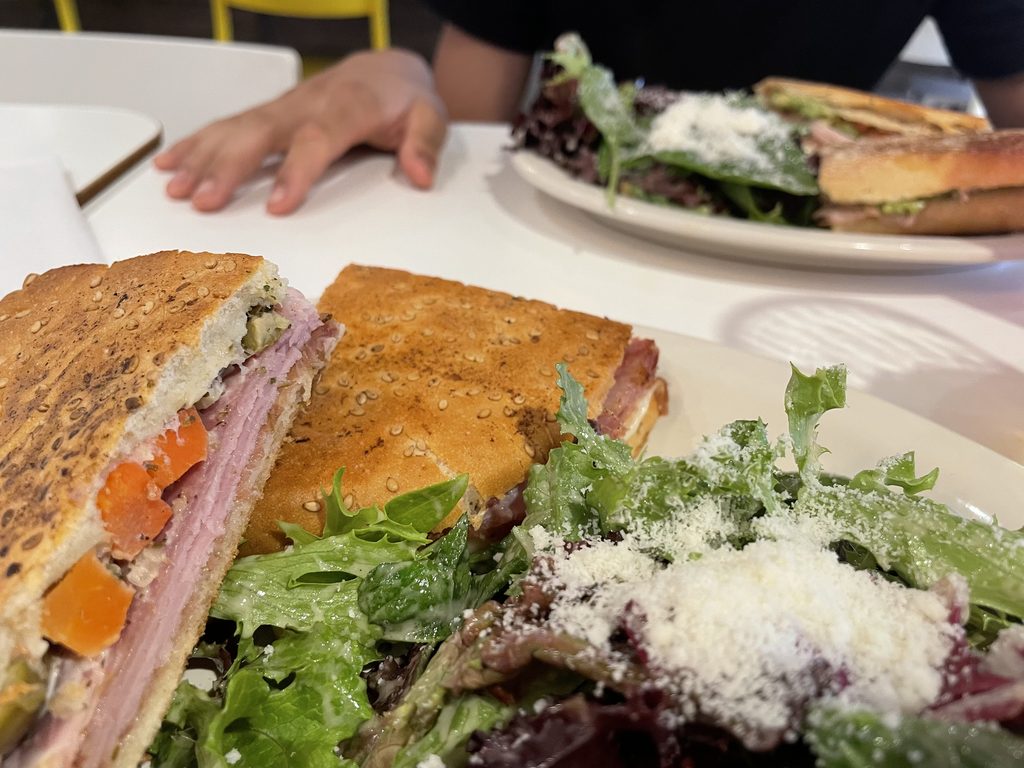
The muffuletta reflects the Italian immigrant experience in New Orleans. It is made with a round sesame-seeded loaf filled with layers of cured meats and cheese, finished with a distinctive olive salad. The combination is rich, savory, and tangy, with the olive salad providing a bright contrast to the meats and cheese.
Central Grocery remains a family-operated business, and its shelves and deli atmosphere give it a different feel from a conventional restaurant. The sandwich is substantial, so a half muffuletta can be a practical choice for one person or a snack to share.
For anyone interested in how immigrant communities helped shape New Orleans cuisine, this is an especially meaningful stop.
Killer PoBoys – A creative take on a New Orleans classic
Website: Killer PoBoys
Killer PoBoys brings a more contemporary approach to one of the city’s most familiar sandwiches. With locations on Dauphine Street and at the Erin Rose bar on Conti Street, it offers a casual counter-service experience in the French Quarter.
Rather than sticking only to traditional fillings, the menu experiments with ingredients and influences from around the world. Options have included seared Gulf shrimp with pickled vegetables and herbs, glazed pork belly, roasted sweet potato, and black-beer-braised beef.
It is an interesting contrast to a traditional po’boy shop. The sandwich remains rooted in the New Orleans format, but the fillings show how the city’s food culture continues to evolve.
This is a good option for visitors who want to try something a little different while still enjoying one of the region’s signature foods.
https://commons.wikimedia.org/wiki/File:Shrimppoboy.jpg

A few tips for eating around the French Quarter
You don’t need to plan every meal at a full-service restaurant to experience New Orleans food. In fact, some of the most memorable stops are the simplest: a sandwich counter, a neighborhood deli, a coffee stand, or a diner that has been serving the same kind of comfort food for decades.
A few suggestions:
- Share the large sandwiches. Muffulettas and some po’boys can be substantial. Splitting one can help keep costs down and leave room to sample something else.
- Try the local classics. If you have never tasted a po’boy, muffuletta, gumbo, or beignet, this is a good place to start.
- Check hours before setting out. Some restaurants have limited lunch hours, late-night schedules, or age restrictions.
- Look beyond Bourbon Street. The French Quarter’s smaller streets have plenty of character, and some of the most interesting food stops are only a short walk from the busiest blocks.
- Remember that prices change. Menus, portions, and operating hours can shift, especially at popular tourist destinations. Check the restaurant’s website before visiting.
Discovering New Orleans, One Meal at a Time
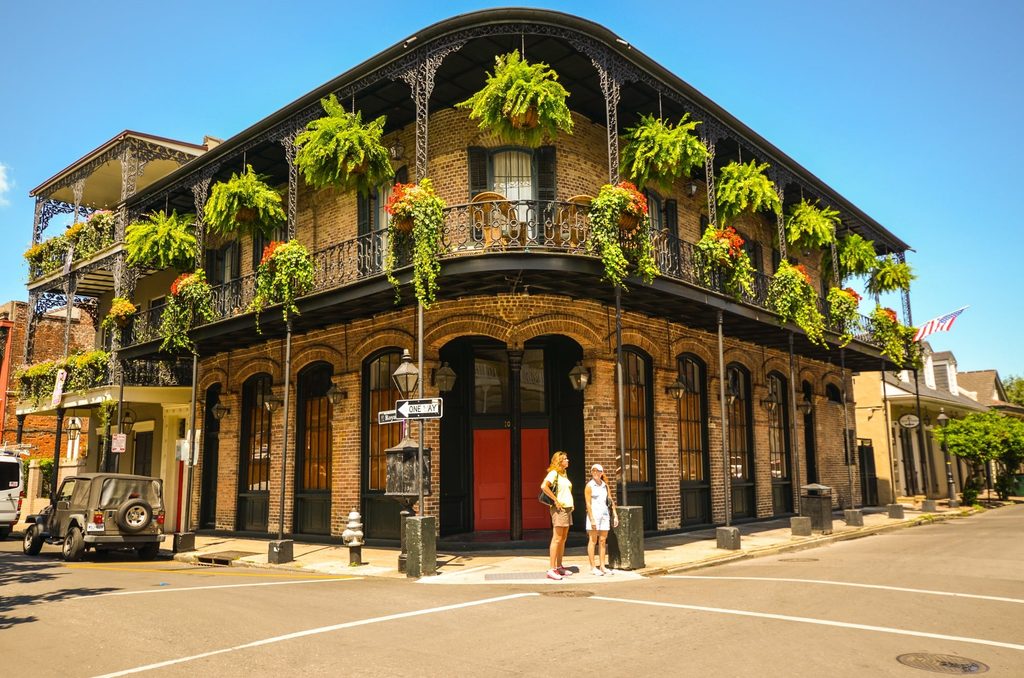
The French Quarter is often introduced through its balconies, historic buildings, street performers, and the bright lights of Bourbon Street. Those are all part of its personality, but food offers another way to understand the city.
A burger at a retro diner, a po’boy from a neighborhood counter, a muffuletta with its Sicilian roots, or beignets and chicory coffee at a historic café each reveal a different part of New Orleans. Together, they tell a story of migration, tradition, creativity, and a city that has always made room at the table for many cultures.
For Curious Perro, this is just the beginning of our New Orleans food exploration. There are many more neighborhoods, restaurants, bakeries, and local specialties to discover beyond the French Quarter. And that’s part of the fun: in New Orleans, there’s always another story waiting to be tasted.
Laissez les bons temps rouler! (Let the good times roll!)
Vivez une vie hors des sentiers battus. Restez curieux. (Live The Life Less Traveled. Stay Curious.)