
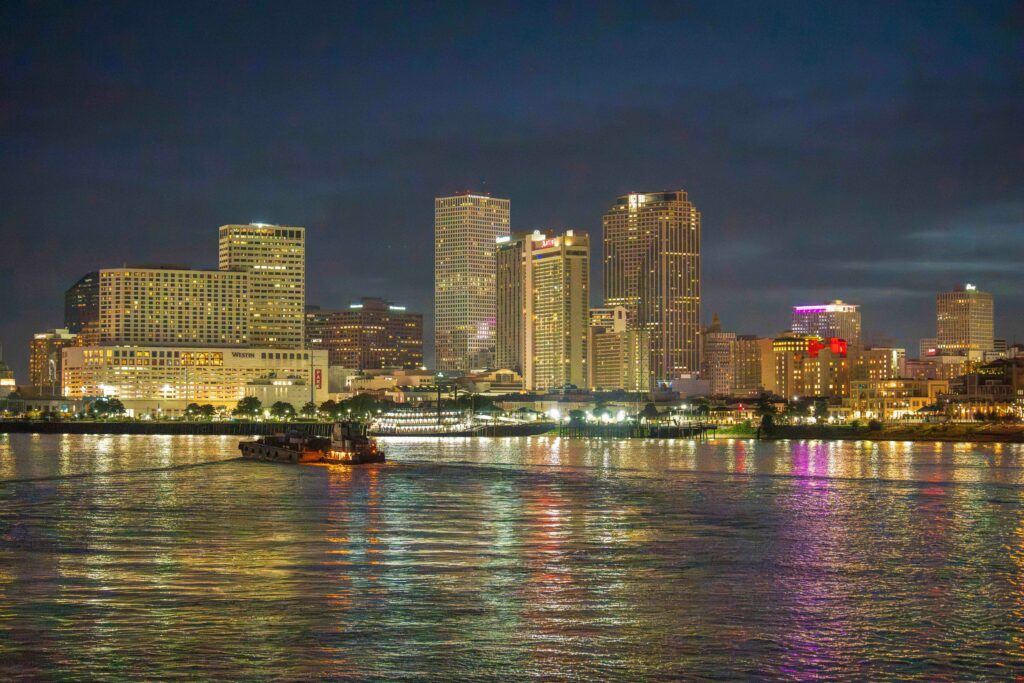
There are few American cities with a personality quite like New Orleans. Its distinctive architecture, unmistakable music, extraordinary food, and centuries of cultural influences create an atmosphere that is difficult to describe until you’ve experienced it yourself.
Known affectionately as the Big Easy, New Orleans is often associated with Bourbon Street, Mardi Gras, and late-night celebrations. Those things certainly have their place, but they represent only a small part of what makes this city so fascinating.
To really get to know New Orleans, you have to venture beyond the neon lights and crowded bars. Wander through neighborhoods where Creole cottages and historic churches tell stories of another century. Visit the places where African traditions helped shape American music. Listen to jazz in the intimate clubs where musicians carry on traditions passed down through generations. And take time to appreciate the architecture, cemeteries, parks, and riverfront that have shaped the city’s identity.
Founded by French colonists in 1718, New Orleans grew into an important port and cultural crossroads. French, Spanish, African, Caribbean, Native American, and later American influences all contributed to its development. The result is a city whose identity cannot be neatly placed into one historical or cultural category.
For visitors, the best way to understand New Orleans is to explore its neighborhoods and landmarks, each offering a different perspective on the city’s past and present.
So, let’s take a closer look at the places worth experiencing if you want to discover the real New Orleans.
1. The French Quarter: Where New Orleans Began
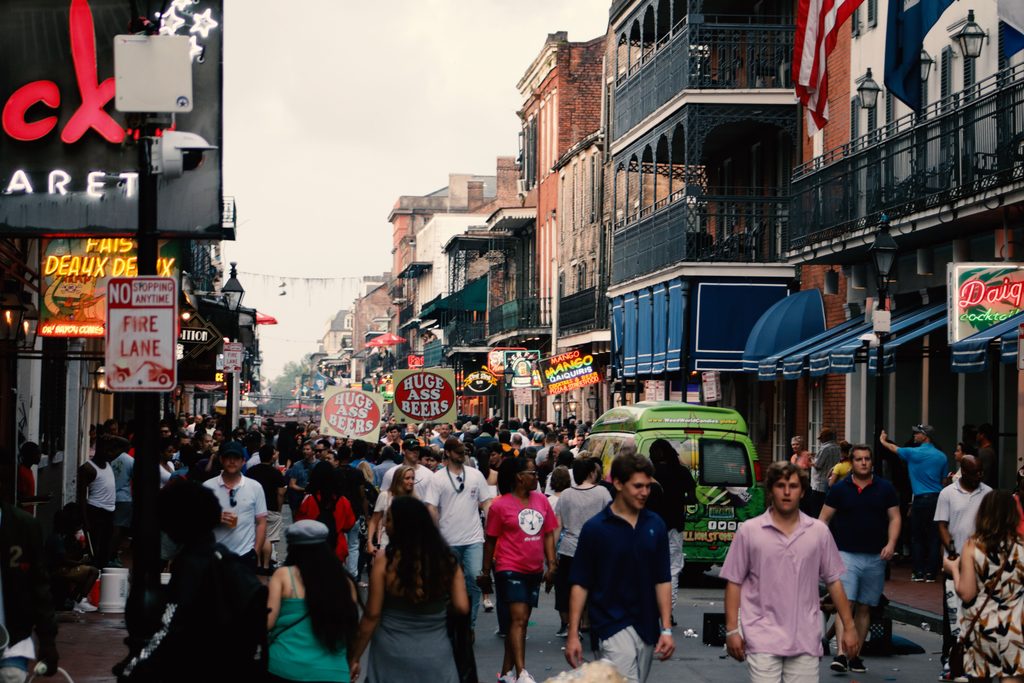
No visit to New Orleans would be complete without exploring the French Quarter, or Vieux Carré. This is the oldest neighborhood in the city and the place where New Orleans first took shape in 1718.
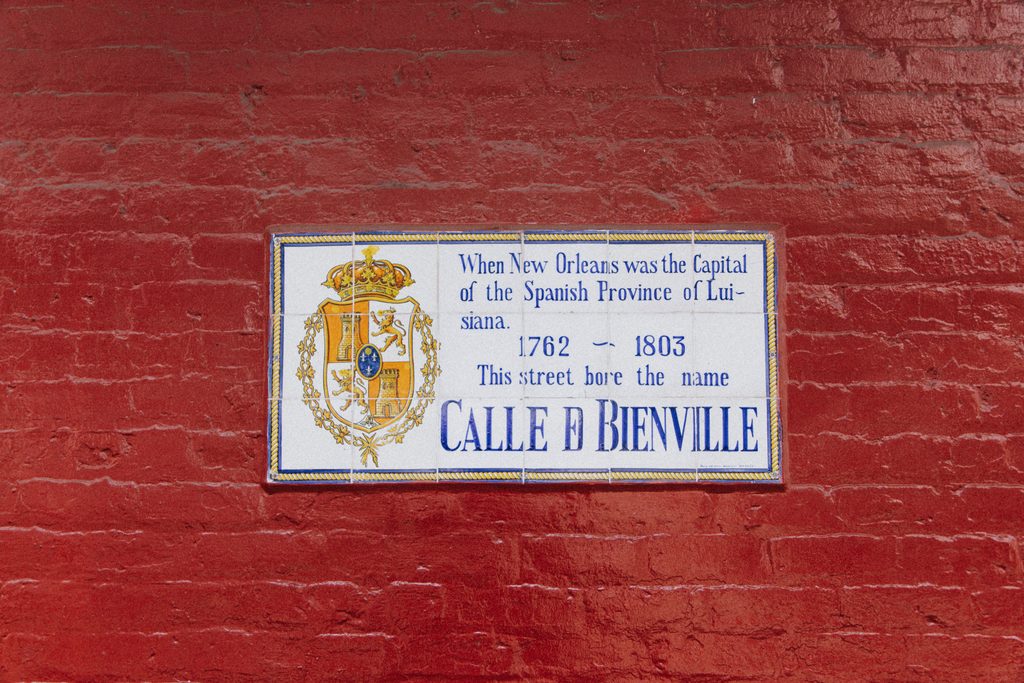
The original settlement was laid out along the Mississippi River in a compact grid of streets. Although the neighborhood is called the French Quarter, much of the architecture visitors admire today reflects the Spanish colonial period.
Two devastating fires in 1788 and 1794 destroyed large portions of the original settlement. Spanish rebuilding regulations encouraged masonry construction, stucco exteriors, and closely arranged buildings. Over time, iron balconies, colorful facades, interior courtyards, and distinctive architectural details became defining features of the neighborhood.
Today, the French Quarter is a wonderful place to explore on foot. Look beyond the busiest streets and you’ll discover quiet courtyards, beautiful ironwork, historic residences, small museums, galleries, and buildings that have witnessed centuries of change.
Jackson Square and St. Louis Cathedral
At the heart of the French Quarter sits Jackson Square, one of the city’s most recognizable landmarks.
Originally known as Place d’Armes, the square was established as part of the original colonial town plan. It served as a military parade ground and public gathering place before becoming the landscaped plaza visitors see today.
The square is framed by three important historic buildings: St. Louis Cathedral, the Cabildo, and the Presbytère. Artists display their work along the surrounding iron fence, street performers entertain visitors, and musicians frequently provide a soundtrack to the activity.
Standing in the square, it’s easy to appreciate how much history is concentrated in one small area.
Overlooking the plaza is the magnificent St. Louis Cathedral, officially known as the Cathedral-Basilica of St. Louis, King of France. A church has occupied this site since the early eighteenth century, although the present structure incorporates rebuilding and renovations dating primarily to the nineteenth century.
The cathedral is recognized as America’s oldest continuously active Catholic cathedral community. Its three distinctive steeples have become one of the most recognizable images associated with New Orleans.
Even if you’re not particularly interested in religious history, the building is worth visiting for its architecture, artwork, stained glass, and importance to the city’s cultural identity.

The Cabildo and The Presbytère
Flanking the cathedral are two remarkable buildings that help explain Louisiana’s colonial and cultural history.
The Cabildo was constructed under Spanish rule between 1795 and 1799. It served as the seat of colonial government and was the location of the Louisiana Purchase transfer ceremonies in 1803.
That transaction changed the course of American history. The United States acquired the Louisiana Territory from France, effectively doubling the size of the young nation.
Today, the Cabildo is part of the Louisiana State Museum system. Its exhibits explore Louisiana’s colonial history, the Battle of New Orleans, and the people and events that shaped the state.
Next door, The Presbytère offers another perspective on Louisiana’s cultural identity.
Originally designed as a residence for the Capuchin clergy, the building later served other civic and commercial purposes before becoming a museum.
Its Mardi Gras exhibition explores the history, traditions, costumes, and elaborate celebrations associated with Carnival season. It is an excellent opportunity to understand that Mardi Gras is much more than a parade or an excuse to party.
The Presbytère has also been home to an important exhibition about Hurricane Katrina and the city’s recovery. Check the current exhibition schedule before visiting, as the museum has undergone recent changes and the Katrina exhibition has been temporarily closed.
The Old Ursuline Convent
For a fascinating glimpse into the city’s earliest European history, make time for the Old Ursuline Convent Museum at 1112 Chartres Street.
Completed in 1752 or 1753, the building is recognized as the oldest surviving building in the Mississippi River Valley. It is also one of the few remaining examples of French colonial architecture in the French Quarter.
The Ursuline nuns arrived in New Orleans in 1727 and played an important role in the development of the early community. Their work included education, healthcare, and caring for orphaned girls.
The convent eventually served several other purposes, including an archbishop’s residence and a meeting place for the Louisiana Legislature.
The building’s survival is particularly remarkable considering the fires that devastated much of the surrounding French Quarter.
Today, visitors can explore its historic architecture and learn more about the religious and educational institutions that helped shape early New Orleans.
Curious Perro perspective: The French Quarter is best experienced slowly. Don’t limit yourself to Bourbon Street and Jackson Square. Walk Royal Street, explore Chartres Street, admire the balconies, and pay attention to the buildings above the storefronts. Much of the neighborhood’s character is found in the details.
2. Tremé: The Neighborhood That Helped Shape American Music
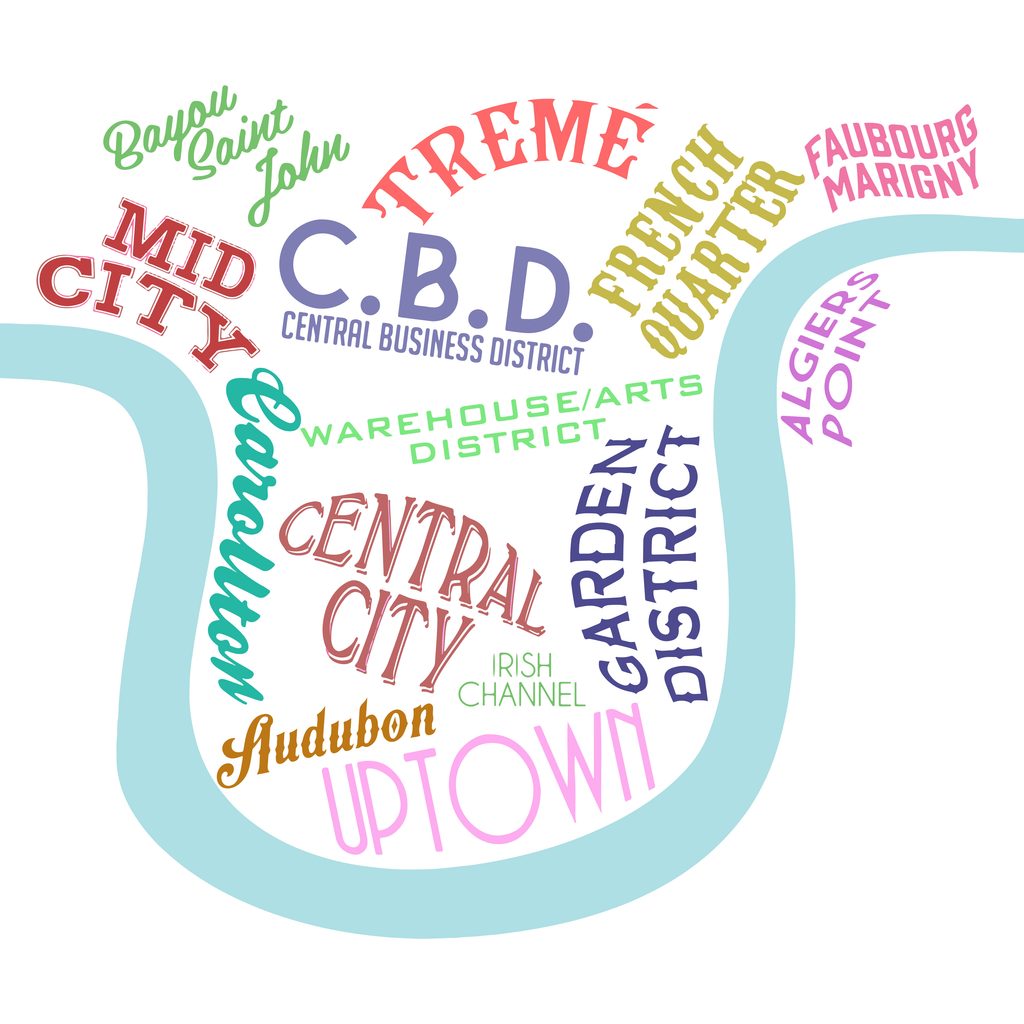
Just beyond the French Quarter is Tremé, one of America’s oldest historically Black neighborhoods and one of the most important places to understand New Orleans culture.
Established in the early nineteenth century on land formerly associated with the estate of Claude Tremé, the neighborhood developed into an important community for free people of color, enslaved people, and later generations of African Americans.
Tremé became a center of Black cultural, religious, and musical life. Its influence reaches far beyond New Orleans, particularly through the development of jazz, brass band music, and the traditions associated with Mardi Gras Indians and second-line parades.
Walking through Tremé offers a very different experience from the French Quarter. Residential streets, historic churches, neighborhood gathering places, and modest Creole homes reveal a community whose history is deeply intertwined with the city’s identity.
Congo Square and Louis Armstrong Park
One of the most historically significant locations in New Orleans is Congo Square, located within Louis Armstrong Park at the edge of Tremé.
During the colonial period and into the nineteenth century, enslaved Africans and free people of African descent gathered here, particularly on Sundays. They played music, danced, traded goods, and maintained cultural practices rooted in African traditions.
These gatherings provided an important opportunity for cultural expression and community in a society built around slavery and racial inequality.
The rhythms, instruments, and musical traditions associated with these gatherings are widely recognized as part of the cultural foundations that eventually contributed to jazz and other distinctly American musical forms.
Today, Congo Square remains a place of cultural remembrance and celebration. It is more than an attractive open plaza; it represents the survival and influence of African cultural traditions in America.
The surrounding Louis Armstrong Park honors one of New Orleans’ most celebrated musical sons. The park features sculptures, walking paths, and open spaces dedicated to the city’s musical heritage.
If community events or cultural gatherings are taking place during your visit, they can provide an especially meaningful experience. However, check the local event calendar rather than assuming a particular performance will occur on a Sunday.
St. Augustine Catholic Church and the Tomb of the Unknown Slave
Another important Tremé landmark is St. Augustine Catholic Church, located at 1210 Governor Nicholls Street.
Established in 1841 and dedicated in 1842, St. Augustine has a particularly significant place in African American religious history.
The church was founded through the efforts of free people of color, who played a major role in its construction and early development.
One remarkable episode became known as the War of the Pews. Free people of color purchased a substantial number of pews, including seats in the side aisles that they reserved for enslaved worshippers. This helped create an unusually integrated congregation for its time.
On the church grounds is the Tomb of the Unknown Slave, a memorial dedicated to enslaved people whose burial places and identities were lost to history.
The memorial is constructed in the form of a cross made from chains and serves as a place of remembrance for those who suffered and died under slavery.
It is a powerful reminder that the city’s cultural richness cannot be separated from the difficult history that helped shape it.
Backstreet Cultural Museum
To better understand the traditions that continue to thrive in New Orleans, visit the Backstreet Cultural Museum at 1531 St. Philip Street.
This small but important cultural institution preserves and documents traditions associated with African American communities in New Orleans.
Its collections include elaborate Mardi Gras Indian suits, second-line memorabilia, jazz funeral artifacts, and material documenting social aid and pleasure clubs.
The Mardi Gras Indian suits are particularly fascinating. These elaborate creations feature intricate beadwork, feathers, embroidery, and elaborate designs that can require months of preparation.
The traditions behind them reflect a complicated blend of African American cultural expression, neighborhood identity, Native American influences, and historical solidarity.
The museum provides an opportunity to learn about traditions that are often best understood through the communities that created and continue to maintain them.
For visitors who want to understand the cultural roots of New Orleans rather than simply photograph its famous attractions, Tremé deserves a prominent place on the itinerary.
3. Frenchmen Street: Where the Music Lives On
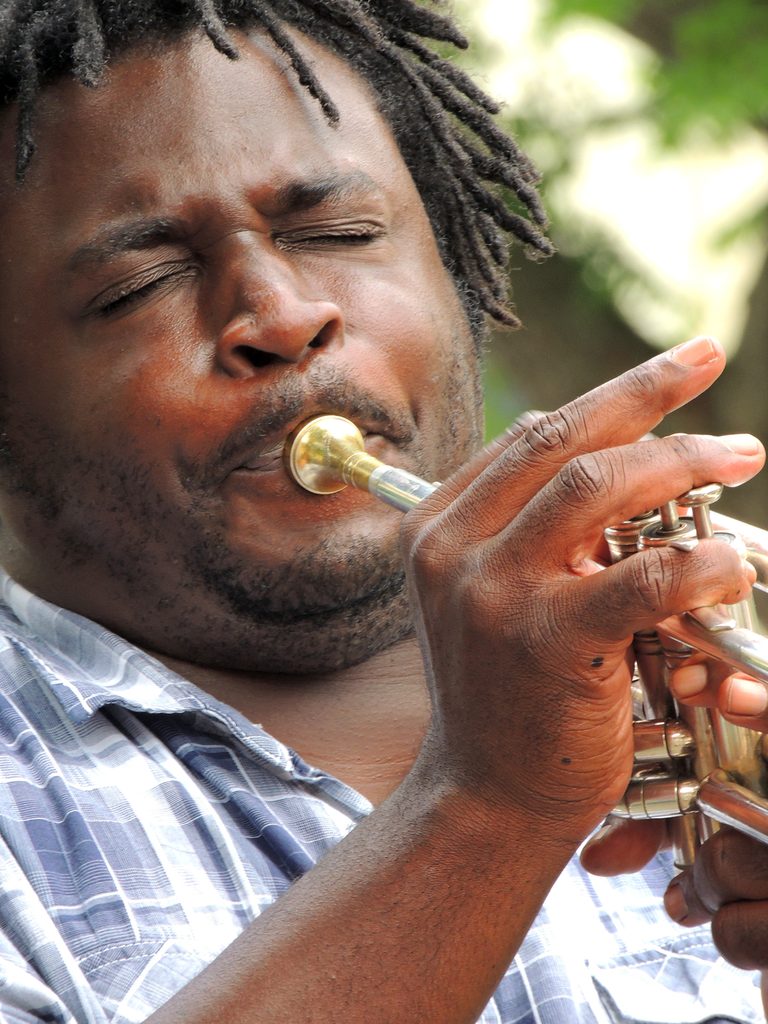
New Orleans and music are practically inseparable. While jazz can be heard throughout the city, Frenchmen Street has become one of the best places for visitors to experience the city’s active live music scene.
Located in the Faubourg Marigny neighborhood, just outside the French Quarter, the street is lined with music clubs, restaurants, bars, and small entertainment venues.
Unlike the more tourist-oriented atmosphere of Bourbon Street, Frenchmen Street has a strong connection to the city’s local music community. Jazz, blues, funk, brass bands, swing, and other musical styles spill out of the clubs and onto the sidewalks.
The entertainment district is concentrated largely between Esplanade Avenue and Royal Street.
The best approach is to arrive in the evening, walk the corridor, listen to the music coming from different venues, and find a performance that catches your attention.
Preservation Hall
For a particularly memorable musical experience, consider Preservation Hall at 726 St. Peter Street in the French Quarter.
Established in 1961, Preservation Hall was created to preserve and promote traditional New Orleans jazz at a time when the city’s older musical traditions needed greater recognition and support.
The venue is famous for its intimate setting and emphasis on acoustic performances. It offers a very different experience from a large concert hall.
Rather than elaborate stage productions, the focus is on the musicians, their instruments, and the music itself.
Performances take place nightly, with different musicians and schedules depending on the date.
It is worth checking the performance calendar and reserving tickets ahead of time, particularly during busy travel periods.
The Spotted Cat Music Club
Back on Frenchmen Street, The Spotted Cat Music Club is one of the neighborhood’s best-known live music destinations.
Located at 623 Frenchmen Street, this compact venue offers a lively atmosphere and performances that range from traditional jazz and swing to blues, funk, and contemporary New Orleans music.
The intimate setting makes it easy to feel connected to the performers and the energy of the crowd.
Snug Harbor Jazz Bistro
For a different kind of experience, visit Snug Harbor Jazz Bistro at 626 Frenchmen Street.
Snug Harbor is known for its dedicated jazz listening room, where visitors can enjoy scheduled performances in a more traditional seated concert environment.
It is a good choice for those who want to concentrate on the musicianship rather than the bustle of a crowded bar.
The venue also has a restaurant component, making it possible to combine dinner and an evening of jazz.
Curious Perro perspective: Don’t treat Frenchmen Street as simply another nightlife district. The music is the attraction. Spend some time listening, appreciate the musicians, and remember that you’re experiencing a living tradition rather than a performance created solely for tourists.
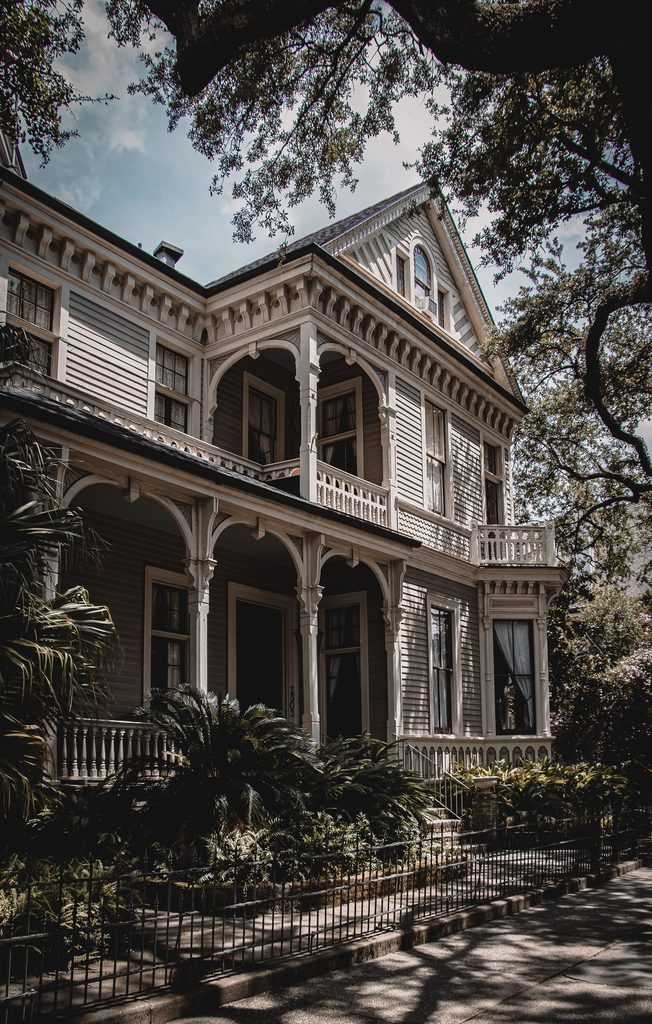
4. The Garden District: A Different Side of New Orleans
The Garden District offers a striking contrast to the French Quarter and Tremé.
Located farther upriver in Uptown New Orleans, this neighborhood developed largely during the nineteenth century as wealthy American merchants and residents established homes outside the original Creole settlement.
The architectural differences are immediately noticeable.
Instead of the closely arranged buildings and iron balconies of the French Quarter, the Garden District features grand mansions, expansive porches, landscaped gardens, and tree-lined streets.
Many of the homes date to the antebellum period, although the neighborhood continued developing afterward.
The best way to appreciate the area is to take a leisurely walk and admire the architecture from the sidewalks. These are private homes, not public attractions, and respecting residents’ privacy is important.
The St. Charles Avenue Streetcar
One of the most enjoyable ways to reach the Garden District is aboard the St. Charles Avenue Streetcar.
The green streetcars are an iconic part of New Orleans transportation history. The St. Charles line began operating in 1835 and is recognized as the world’s oldest continuously operating streetcar line.
The journey from downtown takes passengers along one of the city’s most attractive avenues, passing historic homes, universities, restaurants, and enormous live oak trees.
It’s an experience worth taking for the ride itself, not just as a means of transportation.
The streetcar also provides an opportunity to see how the character of New Orleans changes as you move away from the original French colonial settlement.
Lafayette Cemetery No. 1
Among the Garden District’s most interesting historic landmarks is Lafayette Cemetery No. 1, established in 1833.
Like many New Orleans cemeteries, it features above-ground tombs and elaborate family burial structures.
The city’s high water table and challenging ground conditions influenced the development of above-ground burial practices. These tombs became a distinctive feature of New Orleans’ funerary architecture and cultural landscape.
Lafayette Cemetery also provides a window into the neighborhood’s nineteenth-century history, including the families, organizations, and communities that developed around it.
An important visitor note: following an extended closure, guided public tours returned in October 2026 through the Preservation Resource Center of New Orleans. The cemetery is not generally open for unrestricted walk-in visits, so arrange a tour in advance.
Commander’s Palace and the Neighborhood’s Dining Heritage
While exploring the Garden District, you may also encounter Commander’s Palace, one of New Orleans’ most recognizable restaurants.
Its distinctive turquoise-and-white Victorian building has become a landmark in its own right.
Established in 1893, the restaurant is closely associated with the city’s culinary traditions and has helped shape the careers of several prominent chefs.
Even if a meal isn’t part of your plans, the building is worth seeing while exploring the neighborhood.
The Garden District reminds visitors that New Orleans is not just a city of colonial history and jazz clubs. It is also a place of grand architecture, changing social identities, and distinctive residential neighborhoods.
5. City Park: Live Oaks, Gardens, and a Little Breathing Room
Sometimes the best way to experience a city is to step away from its busiest streets. In New Orleans, one of the best places to do that is City Park.
Established as a public park in the nineteenth century, City Park covers approximately 1,300 acres and is one of the largest urban parks in the United States.
The park is particularly famous for its collection of mature live oak trees. According to City Park, it is home to the world’s largest collection of mature live oaks, with some trees approaching 800 years in age.
Walking beneath their enormous branches provides a completely different perspective on New Orleans.
The park includes gardens, waterways, walking paths, recreational facilities, and several important cultural attractions.
Sydney and Walda Besthoff Sculpture Garden
One of the park’s highlights is the Sydney and Walda Besthoff Sculpture Garden, located beside the New Orleans Museum of Art.
This beautifully landscaped outdoor collection features more than 90 sculptures set among mature trees, reflecting pools, bridges, and winding paths.
The combination of contemporary art and the natural landscape makes it a particularly enjoyable place to explore.
Best of all, general admission to the sculpture garden is free.
The New Orleans Museum of Art
For visitors interested in art and culture, the New Orleans Museum of Art is another worthwhile stop within City Park.
The museum houses an extensive collection spanning several centuries and includes American, European, African, Asian, and other international works.
Together, the museum and sculpture garden make City Park an excellent destination for anyone wanting to experience another dimension of New Orleans beyond its historic streets and music venues.
Curious Perro perspective: City Park is worth more than a quick drive-through. Give yourself time to wander beneath the live oaks, enjoy the gardens, and appreciate how much green space exists within this historic city.
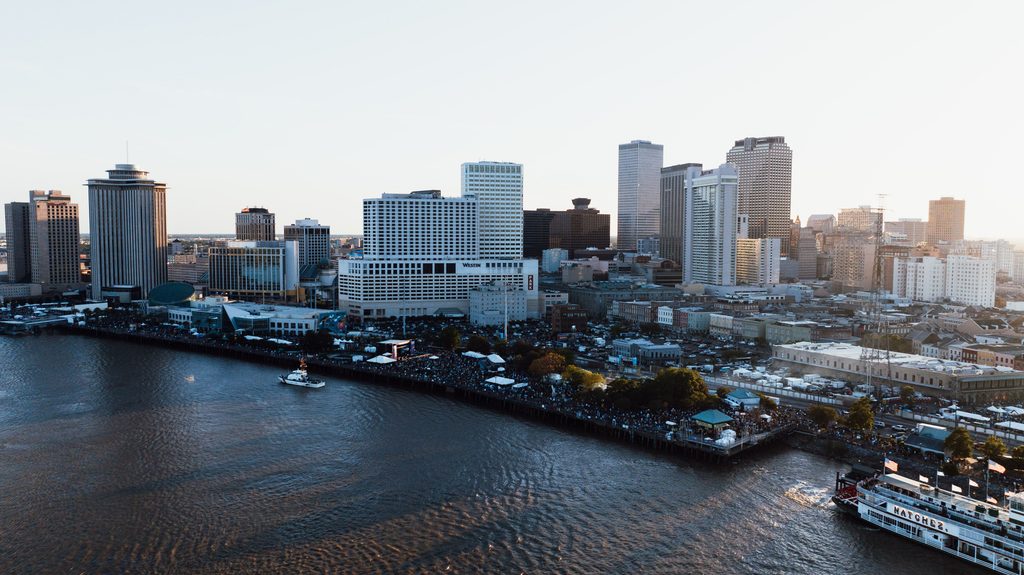
6. The Mississippi Riverfront: The Waterway That Built the City
New Orleans owes much of its existence and prosperity to the Mississippi River.
Its location near the mouth of one of the world’s great river systems helped establish the city as a major commercial and transportation center.
For centuries, ships carrying goods and passengers traveled through the port, connecting New Orleans with the American interior, the Caribbean, Europe, and other parts of the world.
The river remains an important part of the city’s identity.
A good place to experience it is the Moonwalk Riverfront Park, the pedestrian promenade along the Mississippi River near Jackson Square.
From here, visitors can watch riverboats and commercial vessels pass, enjoy views across the water, and appreciate the role the river continues to play in the city’s daily life.
The nearby French Market is another worthwhile stop. Its history stretches back to the early colonial period, when the area served as an important marketplace.
Today, the market area features food vendors, shops, and opportunities to experience some of the city’s culinary and commercial traditions.
The riverfront also provides access to riverboat excursions, including the historic-style paddlewheel experience associated with New Orleans tourism.
For a city so closely connected to water, taking time to see the Mississippi is essential. It helps explain why New Orleans developed where it did and why the river has remained central to its economic and cultural history.
7. Put the Neighborhoods Together: Understanding the Real New Orleans
The beauty of visiting New Orleans is that these places are not isolated attractions. They are pieces of a much larger story.
The French Quarter introduces you to the colonial settlement and the city’s architectural heritage.
Tremé provides a deeper understanding of African American history, community traditions, and the musical foundations of New Orleans.
Frenchmen Street demonstrates that jazz and live music are not simply historical attractions. They remain an active part of the city’s cultural life.
The Garden District reveals another chapter in the city’s development, with its grand homes, historic streets, and nineteenth-century architecture.
City Park offers a chance to appreciate the city’s natural beauty, while the Mississippi Riverfront reminds visitors of the waterway that helped make New Orleans an international crossroads.
Together, these locations offer a much richer experience than simply spending a few hours on Bourbon Street.
And that’s really the point.
New Orleans is a city that rewards curiosity. Its history isn’t confined to museums, its music isn’t limited to concert halls, and its culture isn’t something you experience only during Mardi Gras.
It’s found in the neighborhood churches, the historic homes, the musicians playing in small clubs, the elaborate cemetery tombs, and the everyday traditions that have survived generations.
You can spend a day exploring its historic streets, an evening listening to jazz, and another morning wandering beneath ancient live oaks. Each experience reveals another part of the city’s personality.
For anyone planning a visit, my advice is simple: take your time, look beyond the obvious attractions, and let the city tell its story.
Because the real New Orleans isn’t just a destination. It’s an experience built from centuries of history, music, culture, and people.
Live the Life Less Traveled. Stay Curious.
Planning Your New Orleans Visit
A little preparation will help you get the most from these locations.
- Explore on foot: The French Quarter is compact and particularly rewarding when explored on foot. Wear comfortable shoes and allow yourself time to wander.
- Use the streetcars: The St. Charles line is an experience in itself and a convenient way to reach the Garden District.
- Reserve music performances: Preservation Hall and Snug Harbor are popular venues. Check their calendars and book ahead when possible.
- Respect historic neighborhoods: Many of the most beautiful homes and buildings are private residences or active places of worship.
- Check museum schedules: Hours, exhibitions, and admission arrangements can change. Verify details directly with each attraction.
- Book cemetery tours: Lafayette Cemetery No. 1 requires an authorized guided tour for general public access.
- Leave room for discovery: Some of the best New Orleans experiences happen when you turn down an unfamiliar street, find a neighborhood restaurant, or stumble upon a musician playing a song you didn’t know you needed to hear.