
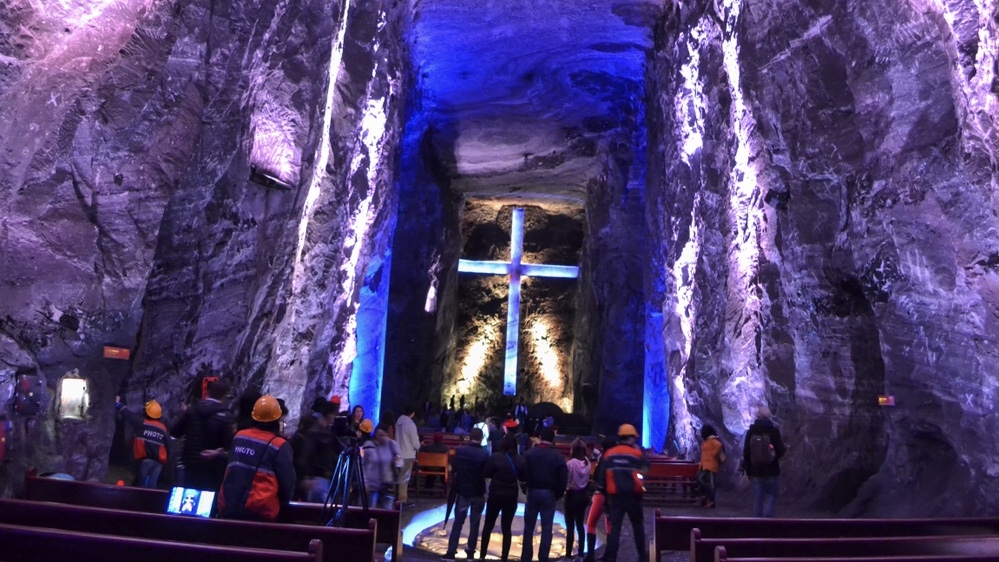
Deep beneath a Colombian town, a mountain of salt holds an astonishing story of Indigenous trade, hardworking miners, faith, and architectural imagination.
Some places make you look up in wonder. Others invite you to descend into the earth.
The Salt Cathedral of Zipaquirá, located north of Bogotá, Colombia, promises an experience that is a little different from the usual sightseeing adventure. Instead of climbing a tower or walking through a centuries-old stone church, visitors enter a vast underground world carved into a salt deposit. Inside, tunnels, chapels, sculpted chambers, and dramatic lighting transform a former mining environment into a remarkable place of worship and cultural heritage.
I’m currently researching the Salt Cathedral for my first visit, and this is one of those destinations that makes me want to learn the story before I arrive. The more I discover, the more fascinating it becomes. This is not simply a church underground. Its story stretches from the Indigenous peoples who valued the region’s salt to the miners whose faith helped inspire the cathedral we know today.
So, let’s take a closer look at the place I hope to explore in person.
A Town Built Around a Valuable Resource
The Salt Cathedral is located in Zipaquirá, in Colombia’s Cundinamarca department, roughly 50 kilometers north of Bogotá by commonly cited travel estimates. The town’s identity is closely tied to the enormous salt deposits beneath the surrounding landscape.
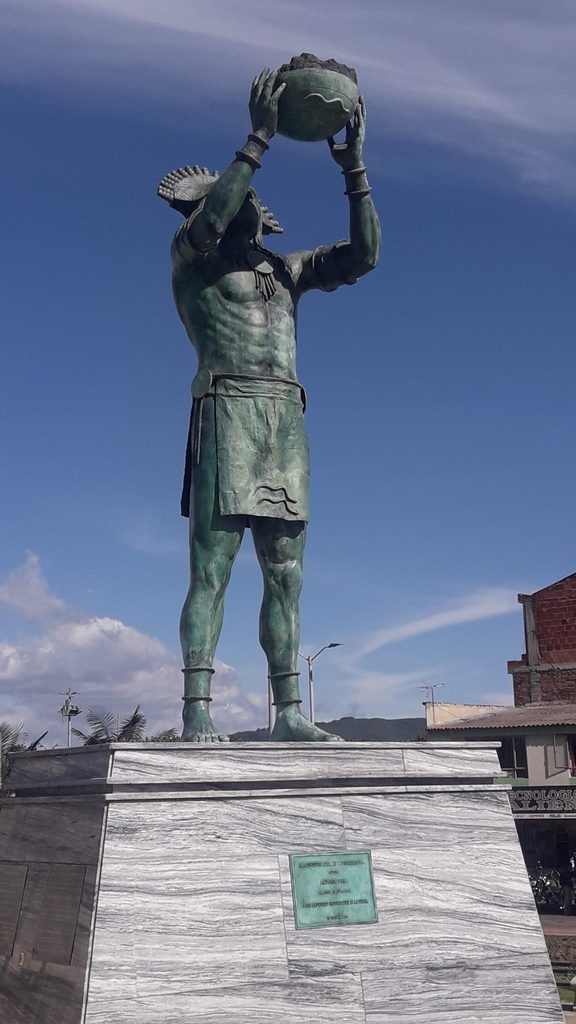
Long before the arrival of the Spanish, the Indigenous Muisca people mined and processed salt in this region. Salt was much more than something to sprinkle on food. It was an important commodity that could be traded for goods from other communities, helping connect different parts of the region through commerce.
The Muisca were skilled agriculturalists, craftspeople, and traders. Their salt production was part of a wider economic network that included the exchange of items such as cotton, emeralds, and other valuable goods. The salt deposits around Zipaquirá and nearby Nemocón helped make the region an important center of production and trade.
It’s worth pausing here because the story of the cathedral did not begin with Christianity, modern engineering, or tourism. It began with the natural resources that shaped life in this part of Colombia long before the underground sanctuary existed.
When Spanish colonizers arrived in the 16th century, they took control of the region and its valuable resources. Salt production continued under colonial rule and remained economically important. Over time, mining methods changed, operations expanded, and generations of workers went deep into the mountain to extract the mineral.
That long history of salt production laid the groundwork for an unexpected transformation: a working mine would eventually become one of Colombia’s most extraordinary landmarks.
From a Miner’s Prayer to an Underground Sanctuary
Mining is demanding work under the best circumstances. Working deep underground brings additional dangers, including unstable rock, poor visibility, and the risks associated with the mining methods and conditions of the time.
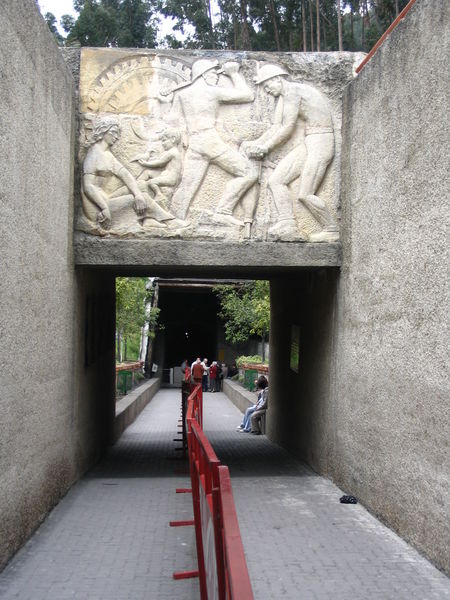
For the miners of Zipaquirá, faith became part of the working day. According to the cathedral’s official history, miners created small altars inside the mine and sought the protection of the Virgin Mary, particularly under the devotion known as Our Lady of the Rosary of Guasa.
Imagine beginning a shift by walking into the darkness of a mine, knowing that your work could be dangerous, and stopping at a humble altar to pray before continuing. Those small spaces offered a moment of comfort and spiritual connection in an environment that was anything but comfortable.
The miners’ devotion helped inspire a much larger idea. If small altars could provide a place for prayer underground, why not create an entire sanctuary within the mine?
The idea gained support from the Banco de la República, which administered the salt works at the time. Construction of the first underground cathedral began in the early 1950s, and the original sanctuary was inaugurated on August 15, 1954.
This first cathedral was an ambitious undertaking. Rather than building a conventional church above ground, its designers and builders worked with the existing mine galleries to create a subterranean place of worship.
It was an extraordinary achievement, but the setting that made the cathedral so unusual also created a serious challenge.
Why the Original Cathedral Had to Close
The original cathedral operated inside a working mine, where the surrounding rock and underground conditions presented structural concerns. Over time, safety problems became serious enough that authorities closed it in September 1992.
It is an important part of the story because the cathedral we see today is not the original 1954 structure. The present-day sanctuary was created as a new project, designed to provide a safer and more enduring underground experience.
The closure did not mean the end of the idea. Instead, it set the stage for a second, ambitious undertaking: creating a new cathedral farther inside the salt mountain.
A New Cathedral, Deeper Underground
The current Salt Cathedral was designed by Colombian architect Roswell Garavito Pearl and opened in 1995. Its construction involved extensive excavation and engineering to create large underground spaces within the salt deposit.
The result is an unusual meeting of architecture, sculpture, mining expertise, and lighting design. Instead of relying on the familiar exterior features of a traditional cathedral—towers, stained-glass windows, and a prominent roof—the underground sanctuary uses scale, darkness, texture, and illumination to shape the visitor’s experience.
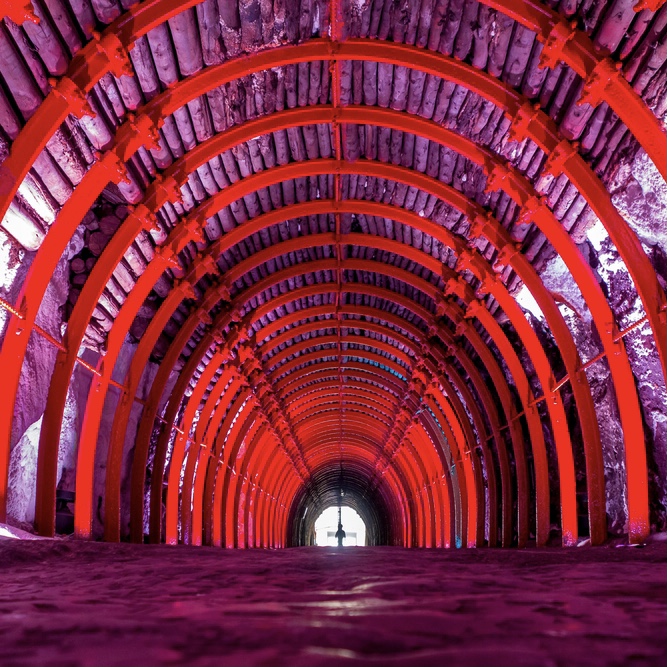
The journey through the complex is part of the appeal. Visitors move along underground passages before reaching the larger chambers. The transition from a relatively narrow tunnel into an expansive, illuminated space helps make the cathedral feel like a discovery rather than simply another building to enter.
One of the most striking aspects of the design is how it works with its surroundings. The walls and rock surfaces are not just a backdrop. The salt itself is central to the identity of the place, connecting the visitor to the geological history that made the mine possible in the first place.
It’s an architectural challenge that raises an interesting question: how do you create a place that feels monumental without building upward? At Zipaquirá, the answer lies in carving into the earth.
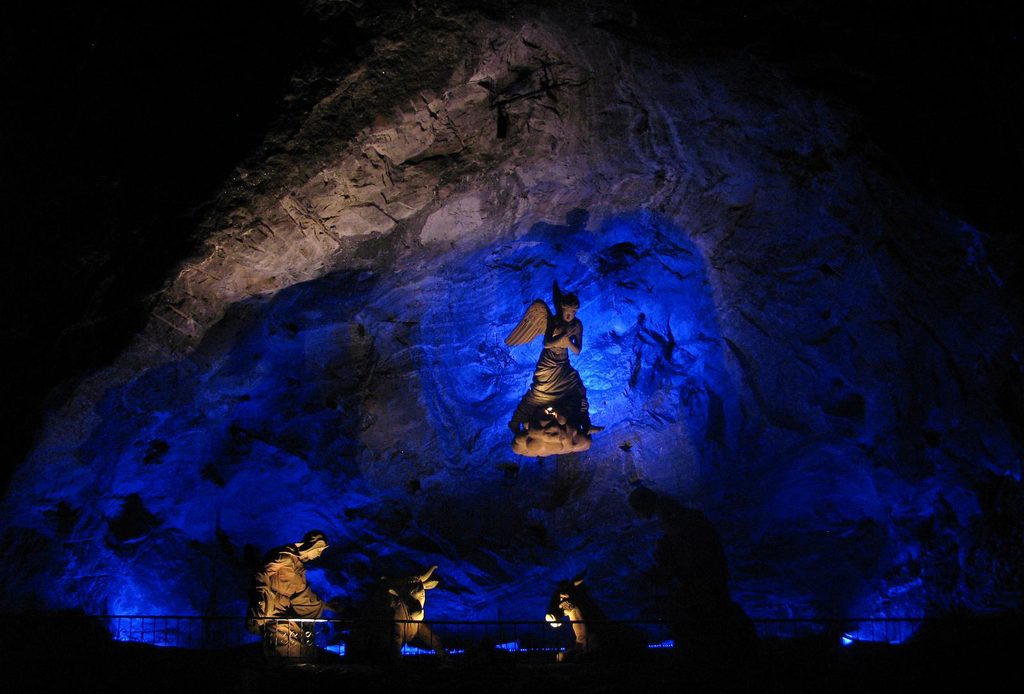
The Stations of the Cross: A Journey Through the Mine
One of the principal parts of the visitor route is the series of Stations of the Cross. These stations represent key moments in the final journey of Jesus Christ and are an important element of Catholic devotion.
At the Salt Cathedral, the stations are incorporated into the underground passages, with crosses, sculpted details, and places for reflection set against the dark mineral surfaces.
The experience is different from walking through a conventional church. Instead of moving from one freestanding chapel to another in a town or city, visitors follow a route through the mountain itself.
For religious visitors, the stations offer a devotional journey. For visitors interested in history, art, or architecture, they also demonstrate how the underground setting has been incorporated into the design rather than hidden away.
As I prepare for my first visit, this is one part of the cathedral I’m especially interested in seeing. Photographs can show the shapes and lighting, but I suspect the combination of the passages, the scale of the rock, and the atmosphere underground will be much more compelling in person.
The Dome and the Three Naves
The route through the cathedral leads toward a large dome and the principal sanctuary, commonly described as three naves. In church architecture, a nave is a major section of a church, traditionally running along its length. Here, the underground chambers give that familiar architectural idea an entirely different setting.
The three naves represent important themes in the life of Christ: birth and baptism, life and death, and resurrection. Their arrangement helps give the complex a spiritual narrative, rather than presenting it simply as a series of impressive caverns.
The central area features a monumental cross carved into the rock, approximately 16 meters high. Its scale, combined with carefully designed illumination, makes it one of the cathedral’s signature features.
There is something fascinating about the contrast. Above ground, a church might use a towering façade, a bell tower, or a high dome to draw the eye upward. Here, the visitor stands inside the mountain, surrounded by rock, looking toward a cross illuminated in an immense underground chamber.
The dome, the naves, and the cross are not merely architectural showpieces. They help create the sense of entering a sacred space that is both physically unusual and deeply symbolic.
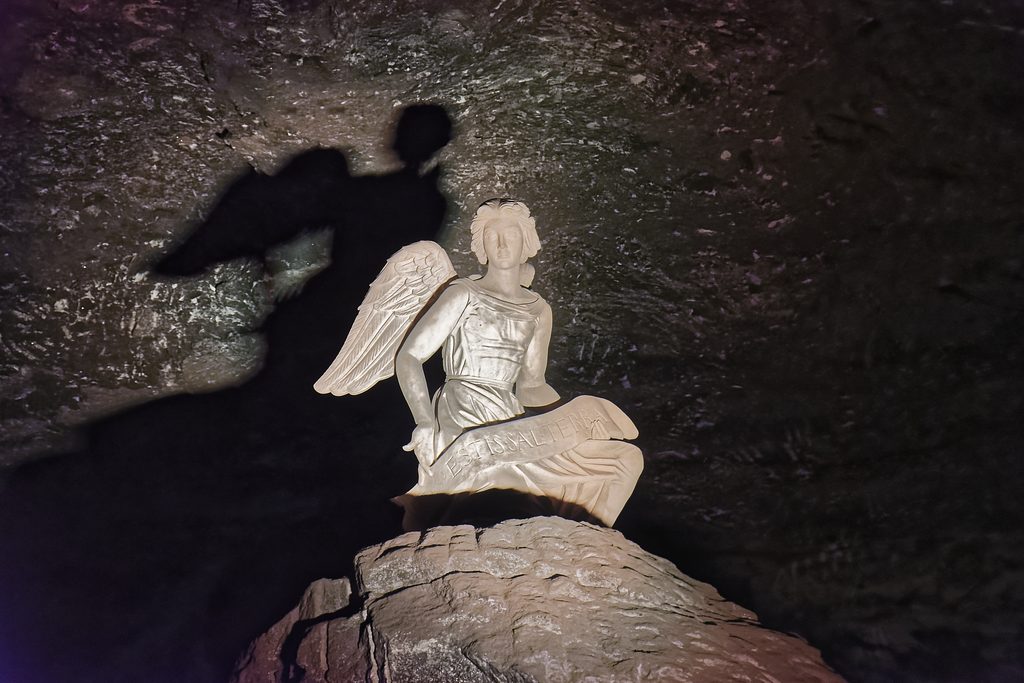
Is It a Cathedral in the Traditional Sense?
The name can lead to a small but interesting point of clarification.
The Salt Cathedral is a Catholic place of worship and an important religious destination, but it is not the same thing as the official diocesan cathedral in Zipaquirá’s historic town center. In Catholic usage, a cathedral is ordinarily the church that serves as the seat of a bishop.
The underground Salt Cathedral is best understood as a major sanctuary and religious complex with an extraordinary architectural setting. Its name reflects its identity and importance as a place of worship, rather than its function as the bishop’s official seat.
That distinction does not diminish its significance. The site brings together religious practice, cultural heritage, engineering, and tourism in a way few places can.
It also serves as a reminder that landmarks can have several identities at once: a sacred destination for worshippers, a source of local pride, an architectural achievement, and a place that draws curious travelers from around the world.
More Than a Church: A Landmark of Colombian Identity
The Salt Cathedral is often promoted as the “First Wonder of Colombia,” a distinction associated with the national contest held in 2007 to select the country’s Seven Wonders. That title captures its place in Colombia’s tourism landscape, but the deeper story is more interesting than a ranking.
The cathedral reflects several chapters of Colombian history. The salt deposits were important to Indigenous communities long before colonization. Salt production became part of the colonial economy and continued to shape the region through industrial mining. Miners’ religious devotion inspired the original sanctuary, and a later generation of architects, engineers, and workers created the underground cathedral that visitors explore today.
It is also a reminder that some of the most remarkable places are not built from a blank slate. They grow out of a landscape, an industry, and the lives of the people who worked there.
The cathedral’s appeal reaches beyond religious tourism. It attracts visitors interested in architecture, geology, sculpture, engineering, photography, and the unusual places that make travel memorable.
For Curious Perro, that combination is exactly what makes a destination worth exploring. There is always more to a place than what first catches the eye—or, in this case, what lies beneath your feet.
Planning My First Visit to the Salt Cathedral
As I research this destination, I’m also looking at the practical side of getting there. Zipaquirá is a popular day trip from Bogotá, and several transportation options are available.
By intermunicipal bus: One common option is to travel to Bogotá’s Portal Norte transport area and take a bus toward Zipaquirá. The journey is often around an hour, but traffic can make it longer. Once in town, visitors can continue by taxi or on foot, depending on the drop-off point and how much walking they want to do.
By tourist train: The Tren Turístico de la Sabana offers a more scenic alternative on selected weekends and public holidays. Schedules, departure points, and operating days can change, so checking the operator’s current information before planning around the train is important.
By private transport or organized tour: A driver or tour can simplify the journey from Bogotá, particularly for travelers who want a more flexible schedule or plan to combine Zipaquirá with another destination.
I’m also keeping a few visit-planning points in mind:
- Check opening hours before setting out. Published schedules can change, and the official Salt Cathedral website should be the final reference for the day you plan to visit.
- Consider arriving early. Earlier visits on less busy days may offer a more relaxed experience, though tour groups and religious events can affect crowd levels.
- Allow time to explore. The cathedral is part of the wider Salt Park complex, so the visit can involve more than simply walking into the main sanctuary.
- Wear comfortable shoes and bring a light layer. The route includes underground passages and walking. Conditions inside can feel cool compared with the weather above ground.
- Respect the religious setting. This is a place of worship as well as a tourist attraction. Follow posted rules, be considerate during services, and check photography restrictions before taking pictures in particular areas.
My goal is to enjoy the cathedral without rushing through it—to take in the details, learn more about the mining history, and appreciate how this extraordinary space came to exist.
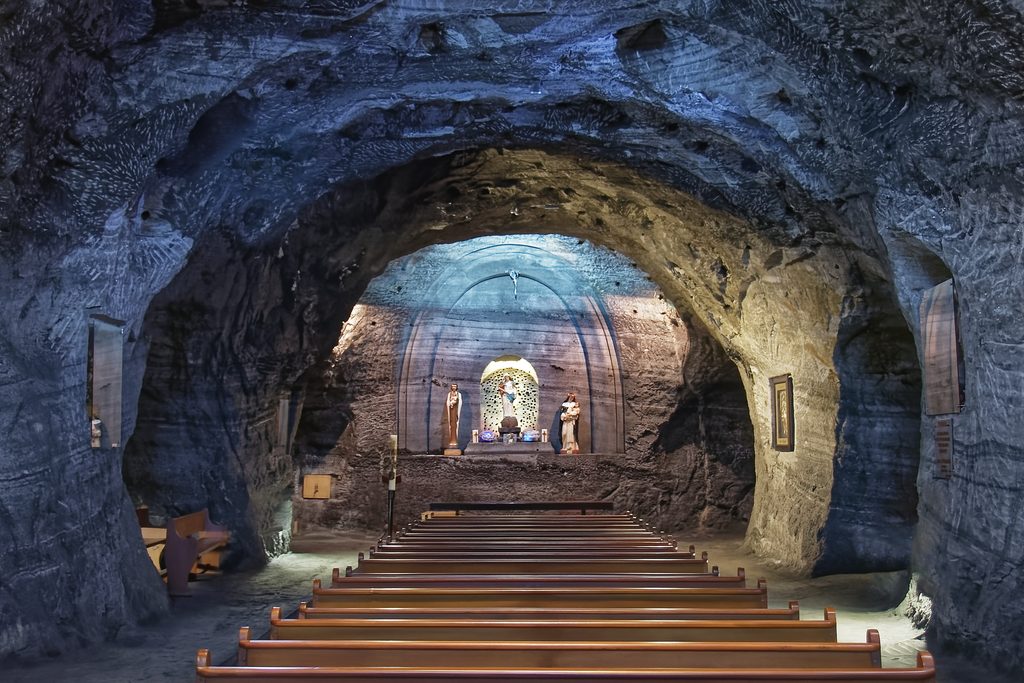
A Landmark Worth Going Underground For
There are plenty of beautiful churches in the world, and there are plenty of fascinating mines. The Salt Cathedral of Zipaquirá occupies a remarkable place between those two categories.
Its story begins with a valuable natural resource and the Indigenous people who understood its importance. It continues through centuries of salt production, the prayers of miners, the construction and closure of the first cathedral, and the engineering effort that created the sanctuary visitors can experience today.
What makes it memorable is not simply that it is underground. It is the way the place brings together human history, faith, and the geology of the landscape in a form that would be difficult to imagine anywhere else.
I haven’t walked its passages yet, but researching the cathedral has put it firmly on my list of places to explore. When I finally make that first visit, I want to see how the enormous chambers feel, how the lighting shapes the rock, and what it is like to stand inside a sanctuary carved into a mountain of salt.
Until then, this is one more reminder that travel rewards curiosity—and that sometimes the most extraordinary discoveries are waiting below the surface.
Live the Life Less Traveled. Stay Curious.
Further Reading
For current visitor information and additional background, start with the official Salt Cathedral website:
- Catedral de Sal de Zipaquirá — official website: https://www.catedraldesal.gov.co/
- Colombia Travel — Discover the Zipaquirá Salt Cathedral: https://colombia.travel/en/encanto/zipaquira-salt-cathedral-temple-and-masterpiece
Travel details such as opening hours, ticket prices, train schedules, and tour availability can change. Check official sources before your visit.