New Orleans is a city that seems to move to its own rhythm. Sometimes that rhythm comes from a jazz band playing on a French Quarter corner. Other times, it is the familiar clatter of a streetcar rolling beneath the live oaks, the slow turn of a paddlewheel on the Mississippi River, or the clip-clop of a mule-drawn carriage passing through Jackson Square.
One of the pleasures of visiting New Orleans is that getting around can be part of the adventure. You don’t necessarily need a rental car to explore the city. In fact, between the historic streetcars, public buses, river ferry, guided tours, bicycles, and good old-fashioned walking, visitors have plenty of ways to discover the Crescent City.
But which options are best for tourists? And which ones offer more than simply getting from one place to another?
Let’s take a look at the transportation choices available in and around New Orleans, with a little history along the way.
The Streetcars: A Ride Through New Orleans History
If there is one transportation experience that belongs on nearly every New Orleans visitor’s list, it’s a ride on a streetcar.
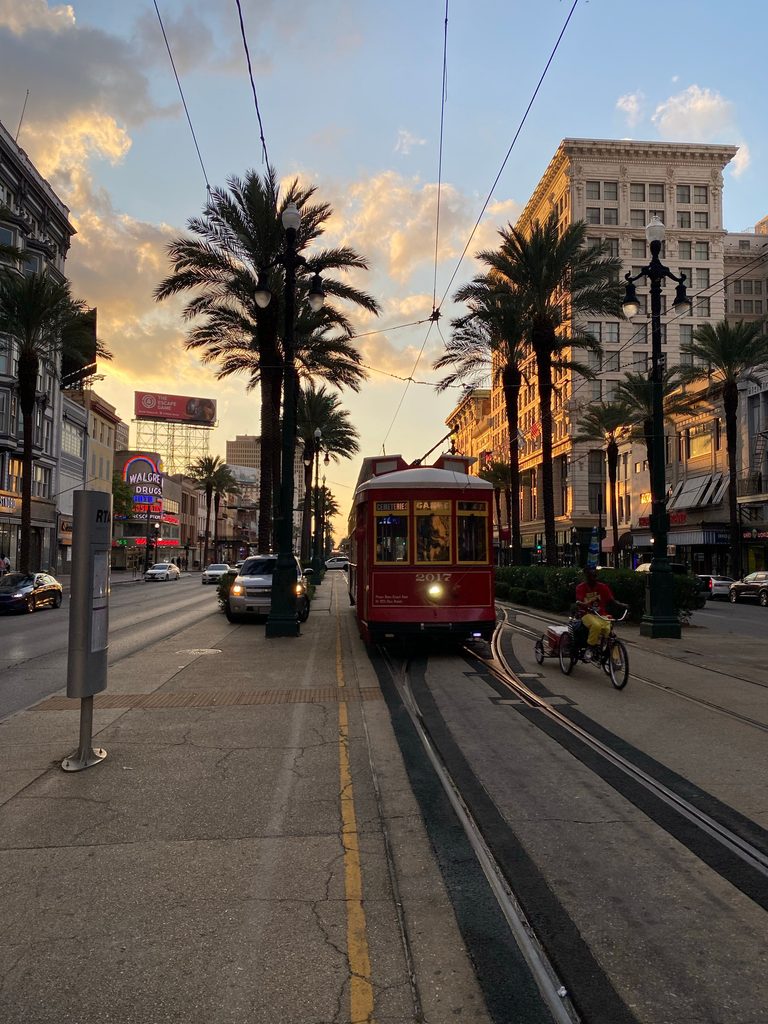
The city’s streetcars are more than a nostalgic attraction. They are part of the public transportation system, connecting downtown with several historic neighborhoods and destinations. The Regional Transit Authority (RTA) operates five numbered streetcar routes: the St. Charles line, Rampart–Loyola, Canal–Cemeteries, Canal–City Park, and Riverfront.
St. Charles Avenue: The Iconic Green Streetcars
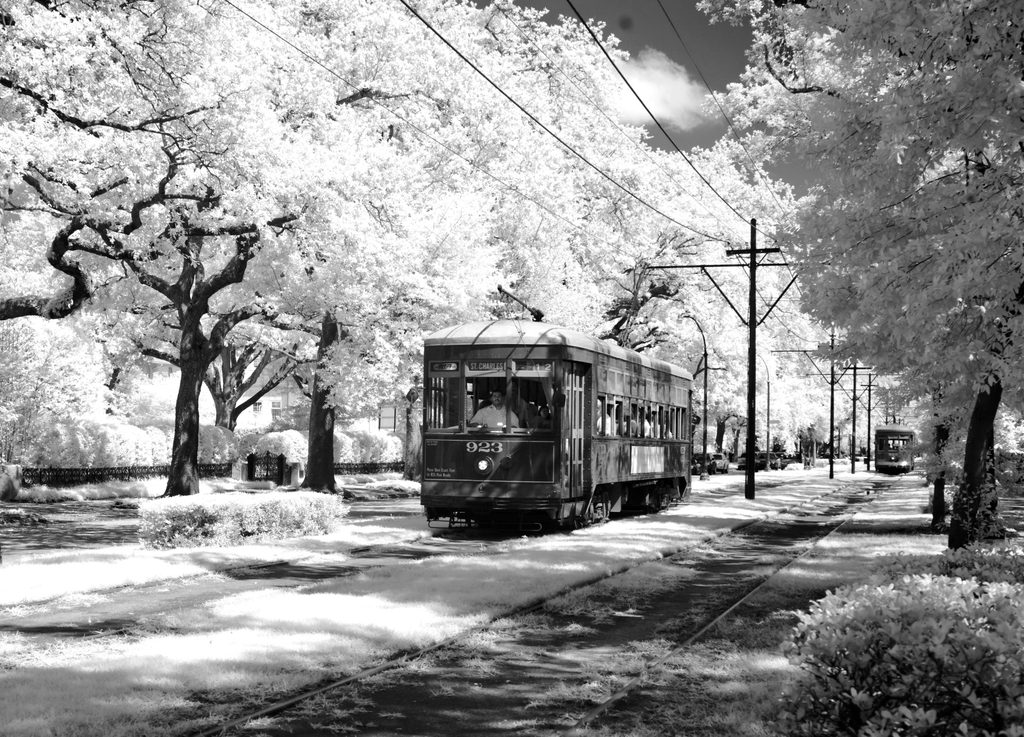
The St. Charles Avenue line is the one most people picture when they think of New Orleans streetcars. Its classic green cars travel beneath enormous oak trees, past historic mansions, universities, neighborhood shops, and the beautiful homes of the Garden District.
The history of this line goes back to 1835, when the New Orleans and Carrollton Railroad began operating between the city and the then-separate community of Carrollton. It is recognized as the oldest continuously operating streetcar line in the world.
The technology has changed over the years. Early cars were powered by steam, horses, and mules before electric streetcars arrived in 1893. The familiar green cars still running today are especially interesting: many belong to the 900 series, built by the Perley A. Thomas Car Works in 1923 and 1924.
So when you climb aboard, you’re not simply riding a vehicle designed to look old. You’re stepping into a working piece of transportation history.
The route travels from the downtown area near Canal Street, through the Central Business District and Garden District, and onward through Uptown toward Carrollton. Along the way, you’ll pass close to landmarks such as Audubon Park, Tulane University, and Loyola University.
Curious Perro tip: Don’t treat this as just a quick ride to your next destination. Find a window seat, take in the architecture, and enjoy the scenery. A round trip makes a wonderful introduction to parts of New Orleans beyond the French Quarter.
Official information: New Orleans Streetcar Guide | American Society of Mechanical Engineers: St. Charles Avenue Streetcar Line
Canal Street: Cemeteries and City Park
Canal Street is one of the city’s major thoroughfares, and its streetcars offer two different routes toward Mid-City.
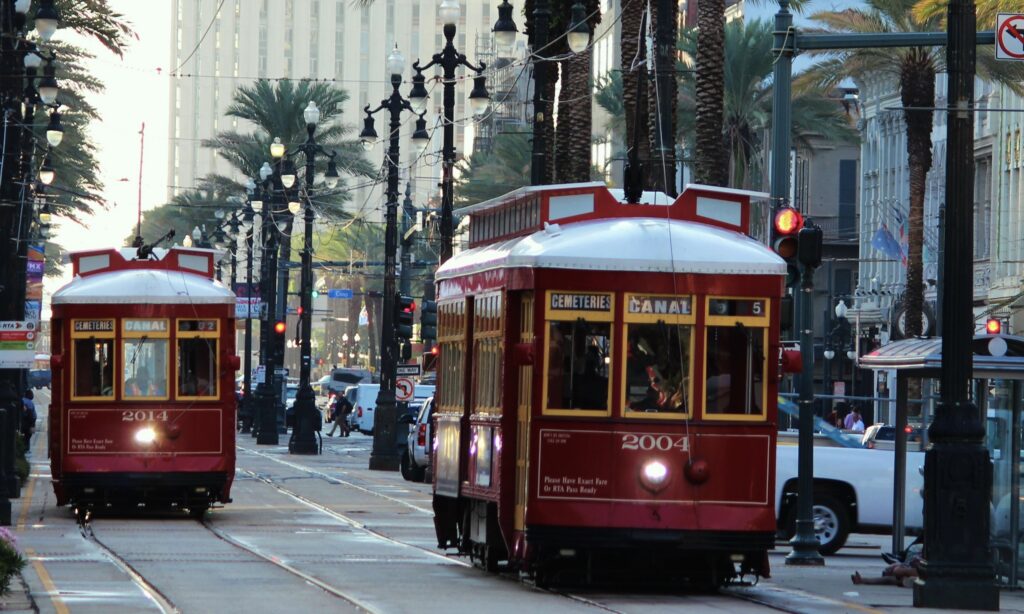
- Canal–Cemeteries (#47): This route travels along Canal Street toward the historic cemeteries near City Park Avenue. New Orleans is famous for its above-ground tombs and elaborate burial grounds, and this line provides a convenient way to reach that part of the city.
- Canal–City Park (#48): This route continues toward City Park and the New Orleans Museum of Art. It’s a handy option for visitors interested in the park’s gardens, sculpture, museums, and outdoor spaces.
The two routes share much of the Canal Street corridor before separating toward their respective destinations. Check the destination displayed on the streetcar before boarding so you don’t end up on the wrong branch.

Riverfront (#49): Along the Mississippi
The Riverfront line runs near the Mississippi River, connecting areas of the Warehouse District with attractions around the French Quarter and French Market.
This is a useful route if you’re exploring the riverfront, visiting the French Market, or heading toward the area around Jackson Square. It also provides a different perspective on the city, with the Mississippi River and its busy waterfront never far away.
Rampart–Loyola (#46): Downtown, Tremé, and the Marigny
The Rampart–Loyola line connects the Union Passenger Terminal area with downtown and neighborhoods near the French Quarter, Tremé, and the Marigny.
For visitors interested in exploring beyond the traditional tourist center, this route can be particularly useful. It brings you closer to Louis Armstrong Park and the Tremé neighborhood, an area with an important place in the history of African American culture and New Orleans music.
How Much Do Streetcars Cost?
New Orleans public transportation is relatively affordable. The current adult RTA fares are:
- Single ride: $1.25
- One-day Jazzy Pass: $3
- Three-day Jazzy Pass: $8
- Seven-day Jazzy Pass: $15
Jazzy Passes provide unlimited rides on eligible RTA buses and streetcars during the pass period. They can be especially useful if you plan to explore several neighborhoods over a few days.
You can pay with exact cash when boarding or purchase tickets and passes through the RTA’s Le Pass mobile app. The app is also useful for planning trips and checking real-time arrivals. If you pay cash, bring exact change because operators do not provide change.
A practical tip: download the app before your trip and check the current fare information and service alerts. Streetcar routes can be affected by construction, special events, and temporary detours.
Official information: RTA Fares and Passes | Le Pass and Payment Options
The Mississippi River: Ferries and Riverboat Cruises
The Mississippi River has shaped New Orleans from its earliest days. It helped turn the city into a major port and commercial center, carrying people, goods, and ideas through the heart of the country.
Today, visitors can experience the river in two very different ways: take a ferry across it or book a sightseeing cruise.
The Algiers Point Ferry: A Short Trip With a Different View
The RTA’s Algiers Point Ferry offers a convenient crossing between the foot of Canal Street and the historic Algiers Point neighborhood on the opposite bank.
The crossing takes approximately five to ten minutes, depending on conditions. Adult pedestrian fares are currently $2 each way, with reduced fares available for eligible riders.
It’s important to understand that this is a public transportation service, not a narrated sightseeing cruise. But that doesn’t mean it isn’t worth doing. The view back toward the New Orleans skyline is a nice change of perspective, and Algiers Point offers a quieter neighborhood atmosphere with historic homes and local character.
If you have a little extra time, consider getting off the ferry and exploring the neighborhood before returning to the French Quarter side of the river.
Official information: Algiers Point Ferry | RTA Fares
Steamboat Natchez: A Paddlewheel Experience
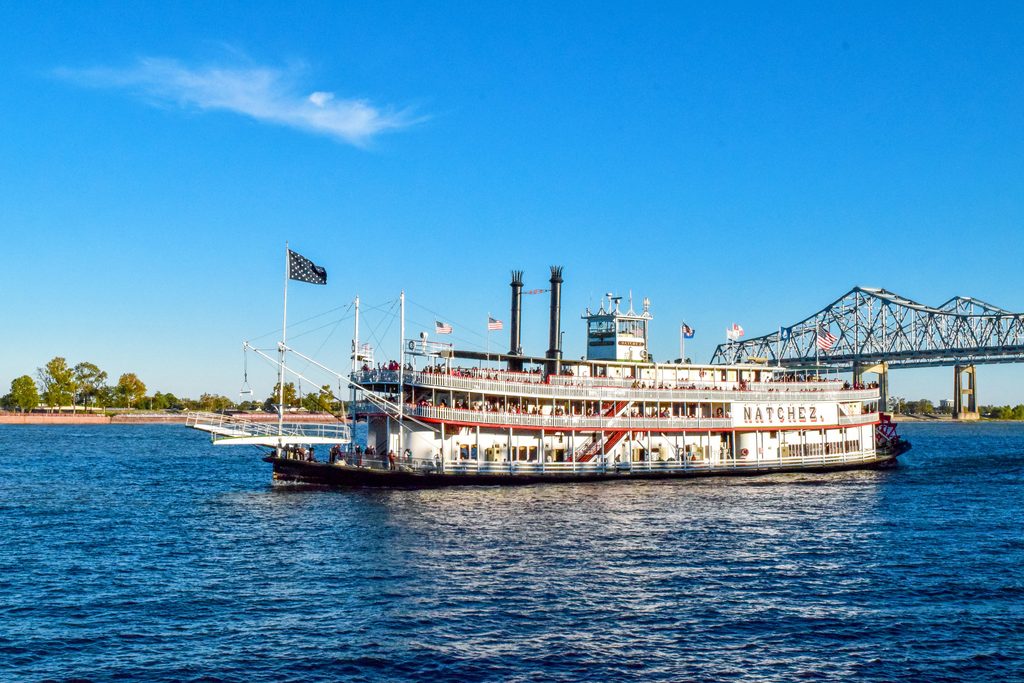
For a more leisurely experience, consider a riverboat cruise aboard the Steamboat Natchez.
The history of steamboats on the Mississippi is closely connected to the growth of New Orleans. During the nineteenth century, steam-powered vessels transformed river transportation, helping move passengers and enormous quantities of agricultural goods between the Gulf Coast and communities far upriver.
The modern Steamboat Natchez carries on that tradition. Launched in 1975, it is a genuine steam-powered sternwheeler, with steam engines originally built in 1925 for another river vessel. Its paddlewheel and steam calliope help create an experience that feels connected to an earlier era of Mississippi River travel.
Depending on the cruise you choose, you can enjoy river views, live jazz, food, and narration about the river and the city. Options have included daytime sightseeing and lunch cruises as well as evening dinner and jazz cruises.
One thing to remember: the Natchez is a working vessel and its schedule can change for maintenance or other reasons. Check the operator’s website before making plans.
Curious Perro tip: Even if you’re not particularly interested in boats, a river cruise offers a chance to see New Orleans from a different angle. The city was built around this river, and spending some time on the water helps explain why it became such an important place.
Official information: Steamboat Natchez | History of the Steamboat Natchez

Guided Tours and Hop-On Hop-Off Buses
Sometimes the best way to get acquainted with a city is to let someone else do the navigating.
New Orleans has a wide variety of guided tours, ranging from open-top sightseeing buses to walking tours focused on architecture, food, music, cemeteries, and local history.
Hop-On Hop-Off Sightseeing Buses
A hop-on hop-off bus tour can be a convenient way to get an overview of New Orleans, especially if you’re visiting for the first time.
Operators such as City Sightseeing offer open-top double-decker buses with stops near popular destinations and neighborhoods. Depending on the route, you can visit areas around Jackson Square, the French Market, the Garden District, and other well-known attractions.
The idea is simple: ride the bus while listening to the guide’s commentary, hop off when something catches your attention, explore, and board again when you’re ready.
This can be particularly helpful if you want to see several parts of the city without having to plan every individual connection.
Keep in mind that these are sightseeing services, not replacements for the city’s regular public transportation. Tickets are separate from RTA fares, and attraction admission is generally not included unless your package specifically says otherwise.
Official information: City Sightseeing New Orleans
Guided City, Cemetery, and Neighborhood Tours
New Orleans has layers of history, and guided tours can help bring those stories to life.
You can find walking and motorcoach tours focused on the French Quarter, historic cemeteries, the Garden District, Tremé, architecture, food, music, and the city’s haunted history.
Companies such as Gray Line New Orleans offer a variety of experiences, including city and cemetery tours, plantation excursions, and swamp tours.
These excursions are worth considering if you want to travel beyond the central tourist areas. A swamp tour, for example, takes you outside the city to experience Louisiana’s wetlands and wildlife. Plantation tours explore complicated and important chapters of Louisiana history, including the history of slavery and plantation life.
Rather than simply choosing a tour because it has the most stops, think about what you want to learn or experience. New Orleans has plenty of stories, and a knowledgeable guide can add context that you might miss on your own.
Official information: Gray Line New Orleans Tours
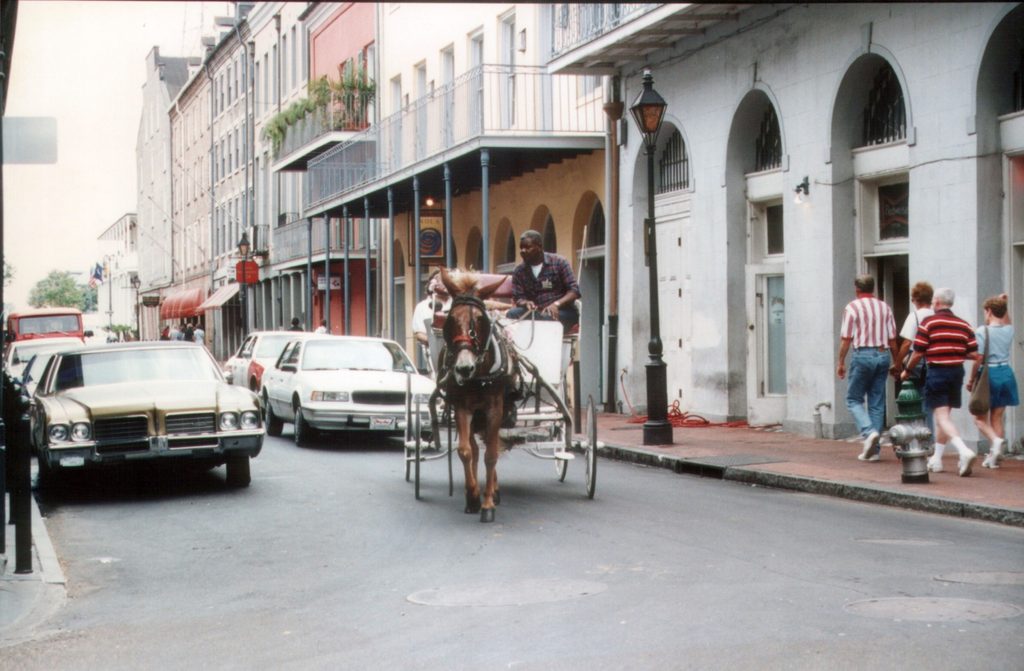
Mule-Drawn Carriages: A French Quarter Tradition
If you’ve spent any time looking at photographs of Jackson Square, you’ve probably seen the mule-drawn carriages waiting nearby.
These carriages offer a slower-paced way to explore the French Quarter, with drivers providing commentary about the neighborhood’s architecture, history, and local stories. The experience is very different from hopping on a bus or streetcar. You’re moving at a relaxed pace through streets that have been part of the city’s life for generations.
Mules have long been part of the working history of New Orleans, where animals were used to haul goods and transport people before motorized vehicles became common. Today, carriage rides are primarily a sightseeing experience.
The city regulates animal-drawn carriages, including working hours, rest periods, and weather-related restrictions. In particular, local rules limit when horses and mules may work during the warmer months, and operations can be suspended when conditions become too hot or otherwise unsafe.
If a carriage ride interests you, ask the operator about the animal-welfare rules and whether tours are operating that day.
It’s a memorable way to see the French Quarter, but it isn’t an essential transportation option. Think of it as a guided experience rather than a practical way to get across town.
Public Buses: Reaching More of the City
Streetcars get much of the attention, but New Orleans’ public buses are another useful part of the RTA system.
The bus network reaches areas that aren’t served by the streetcars, making it possible to explore more of the city without renting a car. One route visitors may find useful is the #11 Magazine bus, which travels through the Magazine Street corridor, known for its shops, restaurants, and neighborhood atmosphere.
Other routes connect downtown with additional residential areas and destinations. The best approach is to use the RTA trip planner or Le Pass app to see which route serves the place you want to visit.
The standard adult single-ride bus fare is currently the same as the streetcar fare: $1.25. Jazzy Passes can also be used on eligible RTA buses.
Official information: RTA Bus Routes | RTA Rider Tools
Bicycles and Pedicabs: Explore at Your Own Pace
New Orleans is relatively flat, which makes bicycling an appealing option for visitors who enjoy exploring on two wheels.
Blue Bikes, the city’s bike-share program, offers pedal-assist electric bicycles at stations around the city. Visitors can use the Blue Bikes app to locate bikes, unlock one, and begin riding. Pricing is currently based on a per-minute rate plus an unlock fee, with other plans available.
A bike can be a fun way to explore areas such as the Lafitte Greenway or travel between nearby neighborhoods. As always, pay attention to traffic, use designated bike facilities when available, and secure the bike properly when your ride is over.
Pedicabs are another option, particularly around the French Quarter and nearby downtown areas. These human-powered bicycle taxis are useful for short trips and can be a pleasant way to enjoy the streets without walking the entire distance.
Official information: Blue Bikes New Orleans | New Orleans Pedicabs
Walking: The Best Way to Discover the Details
For all the transportation choices available, sometimes the best way to experience New Orleans is to simply walk.
The French Quarter is compact, and many of its most interesting details are easy to miss when you’re traveling by vehicle. Architectural features, hidden courtyards, historic markers, balconies, local shops, and musicians performing on street corners all reward a slower pace.
Walking is also a practical way to explore nearby areas such as the Central Business District, Warehouse District, and parts of the Marigny.
Just remember that New Orleans weather can be hot and humid, especially during the summer. Comfortable shoes, water, and a little flexibility in your schedule go a long way.

Taxis and Rideshares: Convenient When You Need Them
Uber, Lyft, and traditional taxis provide another option for getting around New Orleans.
They’re particularly useful when you’re traveling late at night, heading somewhere outside the streetcar and bus network, or simply don’t feel like waiting for public transportation.
Rideshares can also be helpful for trips to and from the airport, although visitors should compare the cost with available shuttle and public bus options.
If you’re staying in the French Quarter or downtown, you may find that you need a car less often than you expect.
Do You Need a Rental Car in New Orleans?
For most visitors concentrating on the French Quarter, downtown, the Garden District, and other central neighborhoods, a rental car is not essential.
The streetcars, buses, ferry, walking routes, and guided tours cover many of the places tourists want to see. A rental car can also mean dealing with traffic, parking fees, and navigating unfamiliar streets.
There are exceptions. If you’re planning to explore destinations well outside the city, visit several regional attractions independently, or take a road trip through Louisiana, having a car may make sense.
But if your plans are centered on New Orleans itself, consider leaving the driving to someone else.
Curious Perro’s Tips for Getting Around New Orleans
Here are a few things worth keeping in mind when planning your visit:
- Download Le Pass: It’s a useful tool for buying RTA fares, planning routes, and checking transit information.
- Take the St. Charles streetcar: Even if you don’t need to travel Uptown, the ride is an experience in itself.
- Consider a Jazzy Pass: If you expect to use public transportation several times a day, an unlimited pass may be more convenient than buying individual fares.
- Use the ferry for a different perspective: A short ride to Algiers Point gives you a view of the city from across the Mississippi.
- Choose tours based on your interests: A city overview, cemetery tour, food excursion, or swamp adventure can each reveal a different side of Louisiana.
- Check schedules before you go: Routes, fares, tour departures, and operating hours can change. Holidays and major events may also affect service.
- Give yourself time to walk: Some of the best discoveries in New Orleans happen between the destinations on your itinerary.
Getting Around Is Part of the New Orleans Experience
New Orleans is a city with a personality all its own, and its transportation options reflect that character. The streetcars connect the present to the past, the Mississippi River reminds visitors why the city grew where it did, and the neighborhoods reveal their stories one block at a time.
You can ride a historic green streetcar beneath the oak trees, cross the river on a ferry, listen to jazz aboard a paddlewheeler, or wander the French Quarter on foot. Each experience offers a different way to understand the city.
My advice? Don’t make transportation just another item on your travel checklist. Make it part of the adventure.
After all, in New Orleans, the journey can be just as memorable as the destination.
Live the Life Less Traveled. Stay Curious.