
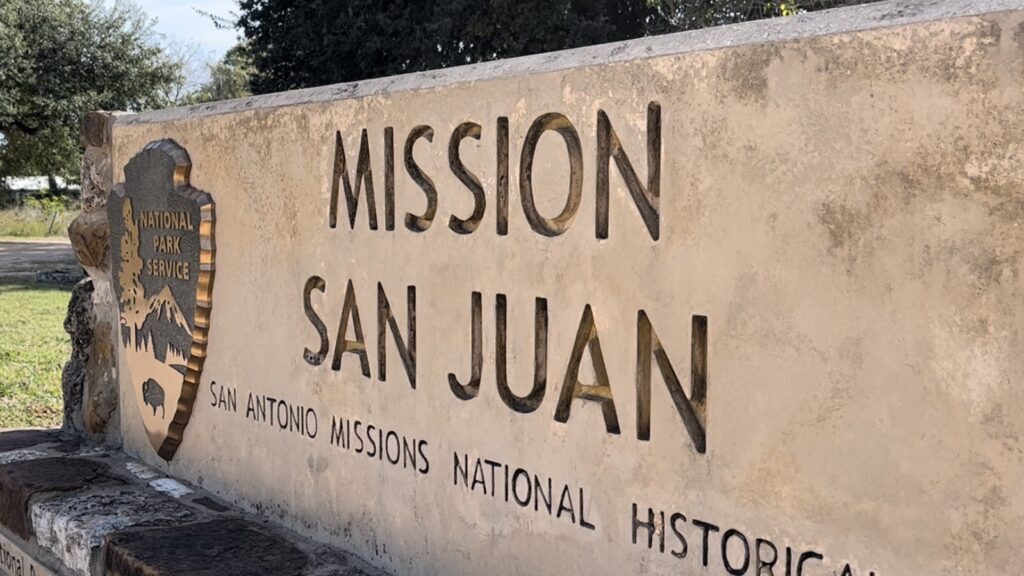
San Antonio’s historic missions tell an important story about the early settlement of Texas, Spanish colonial expansion, and the Indigenous communities whose lives were forever changed by the arrival of European missionaries. While the Alamo is perhaps the best-known of the five missions, the other four are equally fascinating and offer a deeper look into the region’s history.
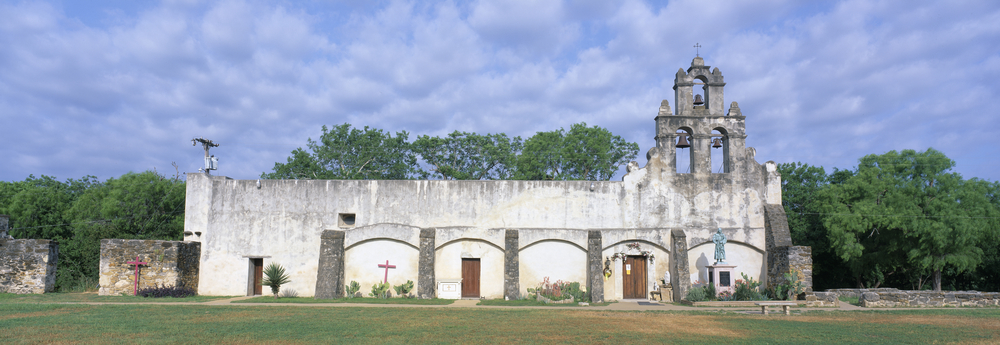
Located along the San Antonio River, south of downtown, Mission San Juan Capistrano is one of these historic landmarks. Originally established in 1731, the mission offers a quieter, more rural atmosphere than some of its neighbors. Its setting reflects the practical considerations that influenced the location of these settlements, including access to fresh water and fertile land suitable for farming.
The Spanish established the San Antonio missions in partnership with the Roman Catholic Church. Their purpose extended beyond religious conversion. The missions were also part of Spain’s effort to expand its influence and establish a presence along the northern frontier of New Spain. Indigenous people were encouraged, and often pressured, to adopt Christianity and become part of the mission community.
Mission San Juan benefited from the fertile farmland surrounding the property and access to water from the San Antonio River. Its agricultural operations became an important part of the local economy. However, life was far from peaceful. Indigenous residents faced devastating European diseases, including smallpox and measles, which caused widespread illness and death. The mission settlements also faced raids by neighboring groups, including Apache and Comanche warriors, adding another layer of hardship and insecurity.
By 1762, records show approximately 203 Indigenous residents living at Mission San Juan. Despite the community’s development, plans for a larger church did not reach completion. Construction began in 1772 but was eventually abandoned in 1786, reflecting the changing political circumstances, limited resources, and declining support affecting the mission system.
Today the San Juan Parish continues to be active. The larger church became a reality and serves as a centerpiece for the parish. Parishioners and their families can still pray at the same place as their ancestors did hundreds of years before.
Today, Mission San Juan Capistrano offers visitors a glimpse into this complicated period of Texas history. Its peaceful surroundings can make it easy to overlook the challenges experienced by the people who lived here. Looking beyond the historic stone walls reveals a story of faith, agriculture, cultural change, hardship, and the lasting influence of Spanish colonialism in South Texas.
Curious Perro – Live The Life Less Traveled. Stay Curious