
Some buildings are hotels.
Others become part of the identity of an entire city.
The Arizona Biltmore is definitely one of them.
During one of my visits to Phoenix, I had the opportunity to visit this remarkable property. And the more I learned about its history, the more I realized that the story of the Biltmore isn’t really just the story of a hotel.
It’s part of the story of Phoenix itself.
When the Arizona Biltmore opened its doors on February 23, 1929, Phoenix was a very different place.
The Valley was growing, agriculture was important, and people were beginning to discover the health benefits of Arizona’s dry climate. But Phoenix was still far from the sophisticated destination we know today.
The McArthur brothers—Warren and Charles—wanted to change that.
They had already discovered that people were fascinated by Arizona. Before the Biltmore, they operated the Wonderbus, taking visitors into the desert and showing them the landscape and possibilities of the Valley.
They believed Phoenix could become something much bigger. And they wanted to build a resort that would help make it happen.
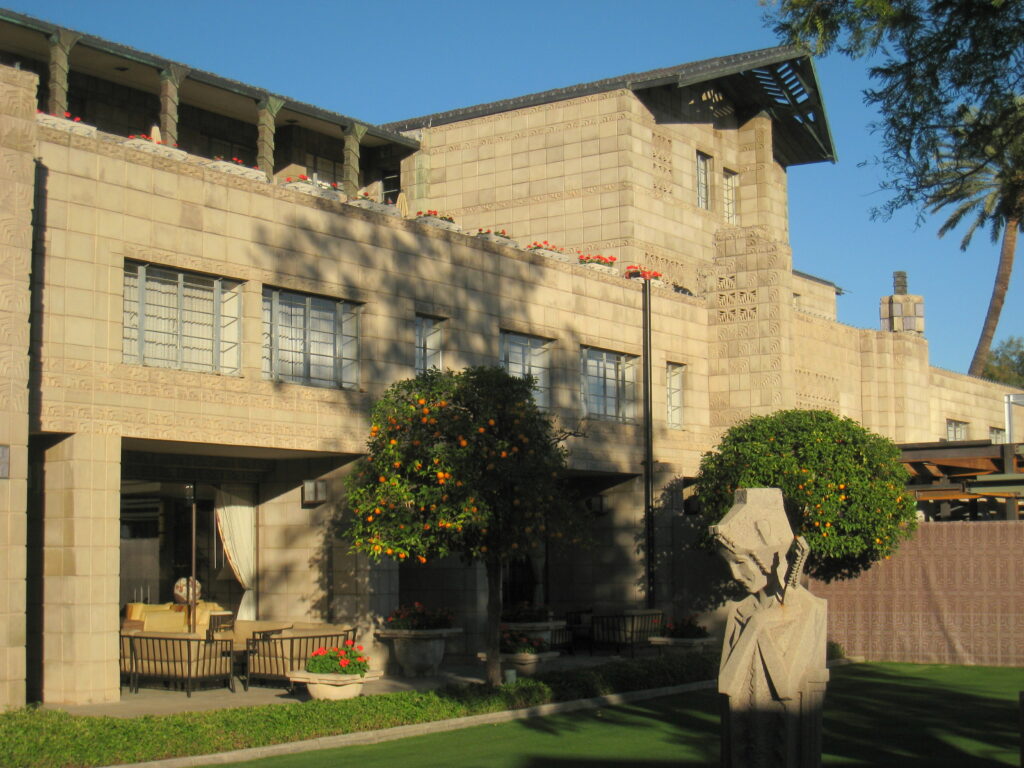
Their brother, Albert Chase McArthur, was an architect who had studied under Frank Lloyd Wright. He designed the Arizona Biltmore using the distinctive concrete blocks that became one of the property’s signature architectural features.
Construction began in 1928.
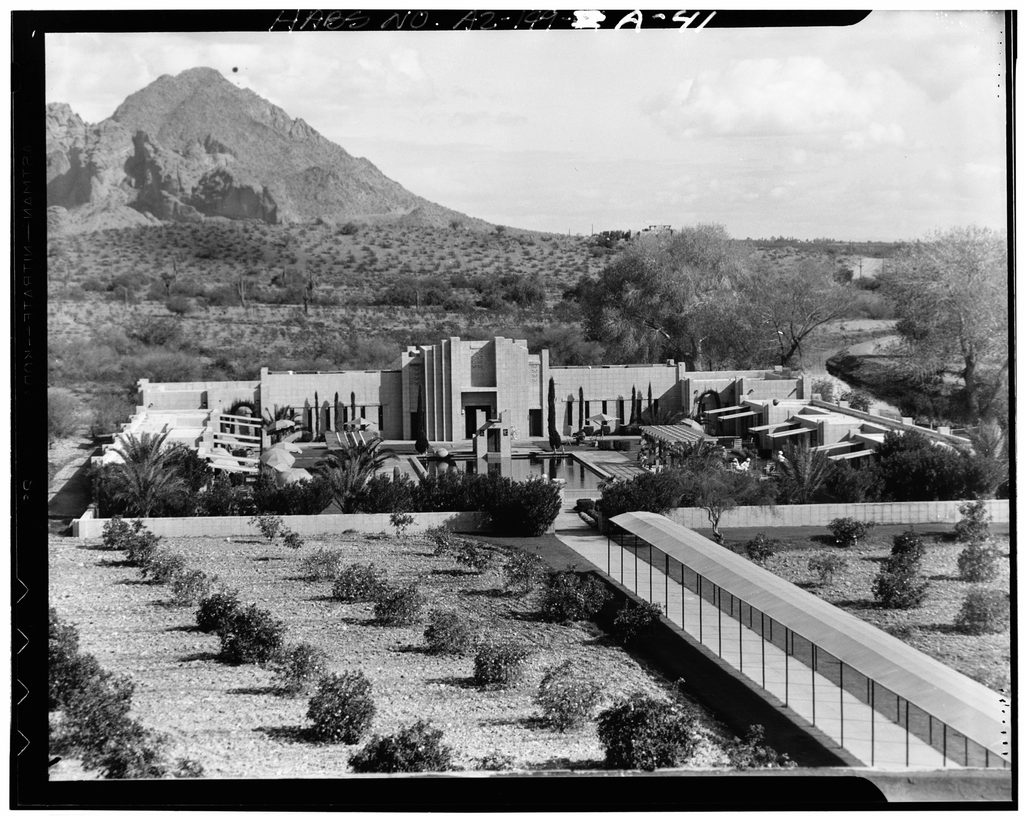
Nine months later, the Arizona Biltmore was ready. And Phoenix was ready to introduce itself to the world. The excitement surrounding the opening was enormous. The Arizona Republican captured the moment with the headline: “Phoenix Heralded Around World As Biltmore Opens Today.” That headline tells you something about what the Biltmore meant to Phoenix.
This wasn’t simply another hotel opening. It was a statement.
Phoenix was ready to become a destination.
And the Biltmore helped establish a new idea for the American Southwest: Come to the desert—not just because you have to, but because you want to.
The Biltmore helped pioneer the idea of the desert winter escape.
Affluent families from colder parts of the country could spend weeks or even months in Arizona during the winter, trading snow and freezing temperatures for sunshine, palm trees, swimming pools and the dry desert climate. And that helped create a tourism culture that would eventually become one of the defining parts of the Valley’s economy.
The Biltmore wasn’t just selling rooms. It was selling the Arizona lifestyle. And what a lifestyle it was.
The architecture, gardens, lawns, pools and indoor-outdoor design created a vision of desert luxury that would influence the development of Phoenix and Scottsdale for decades.
Today, we almost take that lifestyle for granted. Poolside living. Open-air spaces. Desert landscaping. Indoor-outdoor entertainment. Modern architecture that embraces the climate instead of fighting it.
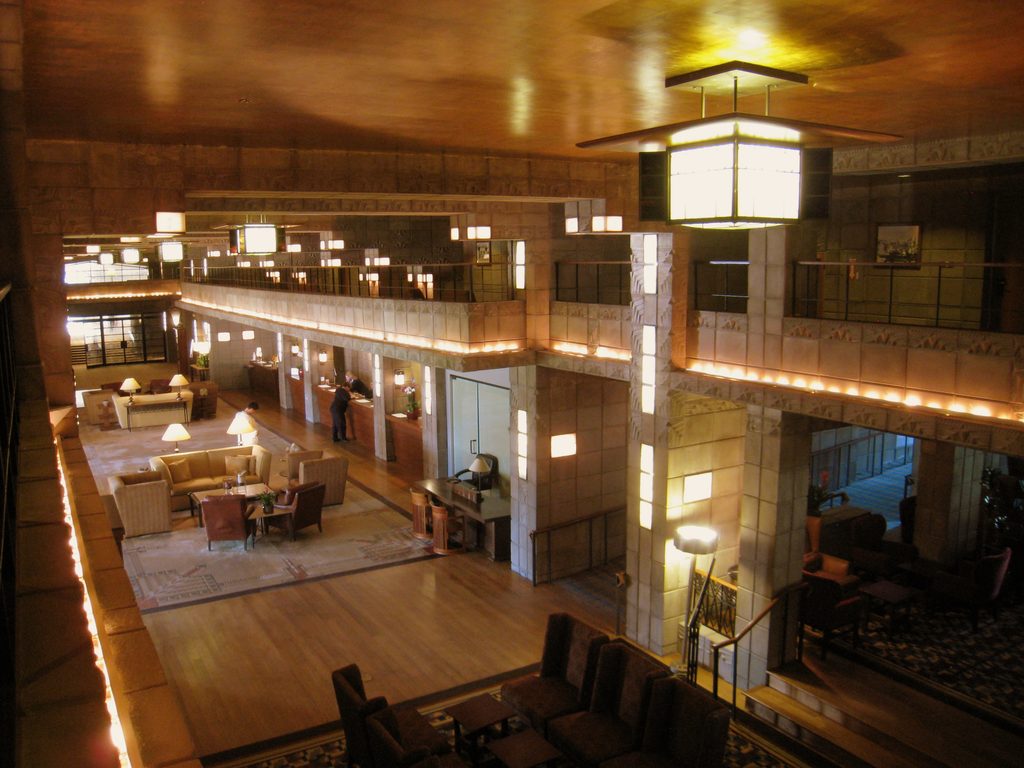
But the Biltmore was helping establish that aesthetic nearly a century ago.
And then there were the famous guests. The Biltmore became a gathering place for Hollywood celebrities, business leaders and political figures.
Marilyn Monroe was known to spend time around the Catalina Pool. There’s even a long-running story that Irving Berlin wrote or worked on “White Christmas” while staying at the Biltmore—although the exact circumstances surrounding that story have been debated. That’s part of the fun of historic places. Sometimes the stories are as interesting as the facts. The Biltmore also became an important meeting place for Arizona’s political and business establishment.
Presidents visited.
Industry leaders stayed there.
Arizona political figure Barry Goldwater was a frequent presence.
And in 1952, Ronald Reagan and Nancy Davis were married at the Biltmore and celebrated their honeymoon there. Over the decades, the hotel hosted U.S. presidents and countless other prominent visitors, helping make the Biltmore one of the Valley’s most recognizable meeting places for people with influence.
But just when it seemed like the Biltmore had become almost indestructible, disaster struck. 1973.
A welding accident during renovations sparked a massive fire. It became a six-alarm blaze, and much of the interior of the hotel was destroyed.
For a building that had already survived the Great Depression, changing times and decades of growth around it, this could have been the end.
Instead, the Biltmore came back.
Crews worked around the clock and rebuilt the damaged portions in roughly 90 days, allowing the hotel to reopen before the holiday season. Think about that. A hotel that had opened in 1929… Survived the Depression… Became a playground for Hollywood… Welcomed presidents and business leaders… And then survived a devastating fire nearly half a century later.
The Biltmore wasn’t finished yet.
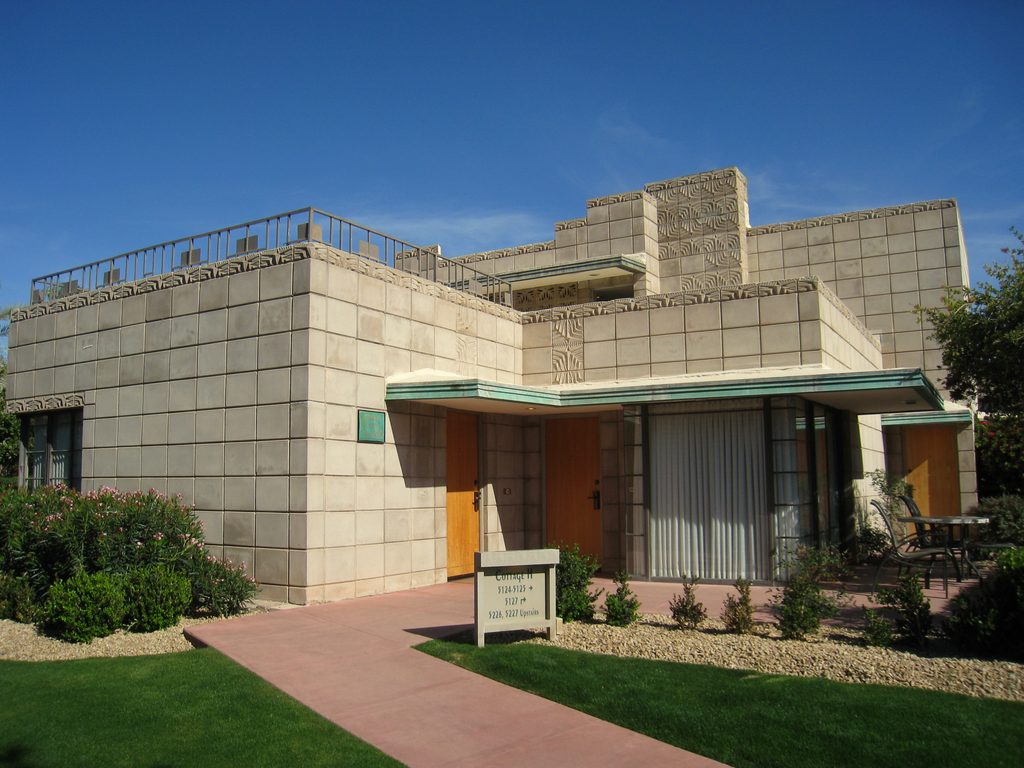
Today, the Arizona Biltmore stands surrounded by a Phoenix that would probably be almost unrecognizable to the McArthur brothers. The city has grown enormously. The desert has become neighborhoods, businesses, highways and skyscrapers.
Phoenix has become a major American city. And yet the Biltmore remains.
Its distinctive architecture. Its gardens. Its pools. Its history.
And that unmistakable feeling that this place was built to make people believe the desert could be something extraordinary.
That’s why I think the Arizona Biltmore is so important to Phoenix. It wasn’t simply built in Phoenix. It helped shape the way the world saw Phoenix. It helped turn the idea of a winter visit to the desert into a luxury experience. It helped establish the Valley’s resort culture. It attracted people who brought money, influence and attention to Arizona.
And it helped create the image of Phoenix as the Valley of the Sun—a place where sunshine, desert scenery and outdoor living weren’t just part of the environment… They were the attraction.
Nearly a century later, I think that’s still visible when you walk around the Biltmore. You aren’t just looking at an old hotel. You’re looking at a piece of the story of how Phoenix became Phoenix.
And that’s what I love about photographing historic places.
You can see a building… Or you can get curious about the story behind it.
And sometimes, that story takes you all the way back to the moment a city decided it was ready to introduce itself to the world.
I’m Curious Perro.
Live the Life Less Traveled. Stay Curious. 🐾🌵