
Sometimes Curious Perro starts with a trip.
Other times, it starts with a photograph.
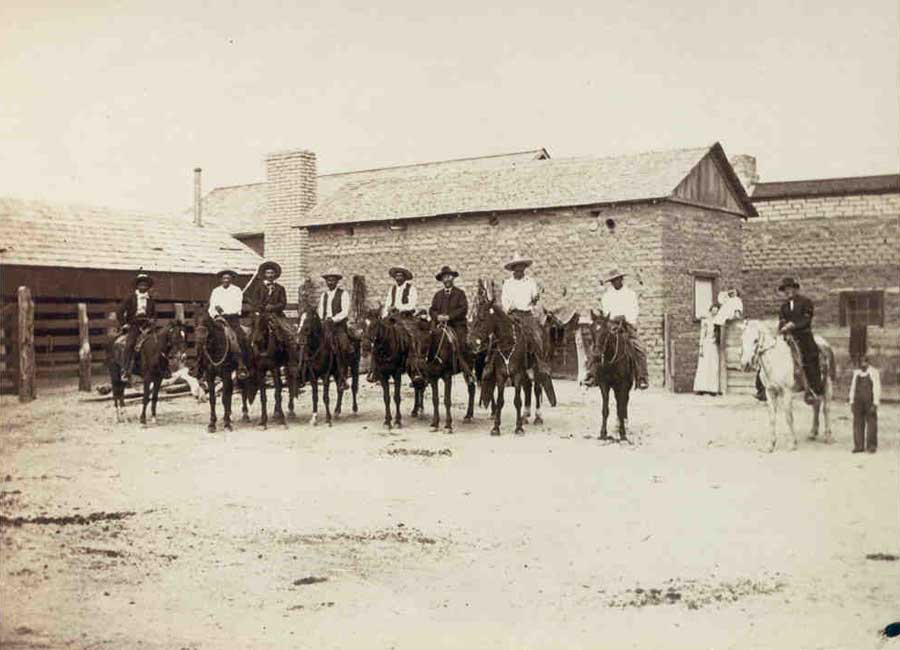
This time, it’s an old photograph from around 1890 showing a group of vaqueros and ranch operators at Empire Ranch in southeastern Arizona.
And looking at these men, I started wondering…
Who were they?
What did a day at Empire Ranch actually look like?
And what was it like to be a Mexican vaquero riding across the Arizona desert at a time when cattle ranching was still being written into the history of the American West?
That’s what makes researching a place before visiting so much fun.
You begin with one photograph…
And suddenly you’re following a trail that stretches nearly 150 years.
The story of Empire Ranch begins in 1876, when 24-year-old Walter Lennox Vail and his partner Herbert Hislop purchased a 160-acre homestead in southeastern Arizona.
They renamed it Empire Ranch.
What started as a small adobe ranch would eventually become one of the largest cattle operations in the Southwest.
The discovery of silver on the ranch in 1879 brought another unexpected twist. The Total Wreck Mine became a source of revenue that helped the Vails expand their ranching operations.
Over the following decades, Empire Ranch grew dramatically.
Land.
Cattle.
Water.
Grazing rights.
Eventually, the Empire Land and Cattle Company controlled more than 100,000 acres, with its broader grazing interests extending across an enormous portion of southeastern Arizona.
But then came one of the most fascinating chapters in the ranch’s history.
1890.
Arizona cattle ranchers were dealing with difficult conditions, including drought and overgrazing. At the same time, the Southern Pacific Railroad raised its rates for shipping cattle to California.
Instead of simply accepting the new rates, Empire Ranch foreman Tom Turner and Edward “Ned” Vail decided to do something that sounds almost unbelievable today.
They would drive the cattle to California.
On January 29, 1890, they left Empire Ranch with more than 900 steers.
And riding with them were six Mexican cowboys and a Chinese cook.
Think about that for a moment.
No highways.
No GPS.
No cell phones.
No air-conditioned truck hauling cattle west.
Just horses, cattle, water, supplies and people who knew how to survive on the trail.
The drive took more than two months.
They crossed the Arizona desert, dealt with stampedes, searched for water and eventually faced the Colorado River.
At one point, the cattle had to be moved across the river before the journey could continue into California. Edward Vail documented the experience in a diary, including the challenges of finding water and keeping the herd together.
And that’s where this photograph becomes even more interesting to me.
Look at the men.
These weren’t Hollywood cowboys.
They were working vaqueros.
Mexican horsemen whose skills in riding, roping, handling cattle and working livestock were fundamental to ranching throughout the Southwest.
The American cowboy didn’t suddenly appear out of nowhere.
Much of the equipment, terminology, horsemanship and livestock traditions associated with cowboy culture developed from Spanish and Mexican vaquero traditions that had been established in the Southwest long before the American West became a popular legend.
And photographs like this give us a glimpse of the people who actually lived that history.
The men in this photograph weren’t posing for a movie.
They were part of the working ranch.
They were part of the operation that helped keep Empire Ranch alive.
And they were part of a much larger cultural story that connected Arizona, Mexico and the American West.
Eventually, Empire Ranch became enormous.
But its story didn’t end with the Vail family.
The ranch changed hands in 1928 and was later operated by the Boice family, who modernized the property while maintaining its cattle-ranching traditions.
Then Hollywood discovered Empire Ranch.
Its wide-open grasslands and rugged landscape became the setting for numerous Western films, including Red River, 3:10 to Yuma, and Gunfight at the O.K. Corral.
So a place that had once been home to working vaqueros and cattle drives became part of the mythology of the American West on the big screen.
But Hollywood wasn’t the end of the story either.
Today, the historic headquarters is part of the Las Cienegas National Conservation Area, managed by the Bureau of Land Management in partnership with the Empire Ranch Foundation.
The ranch is still a working cattle operation.
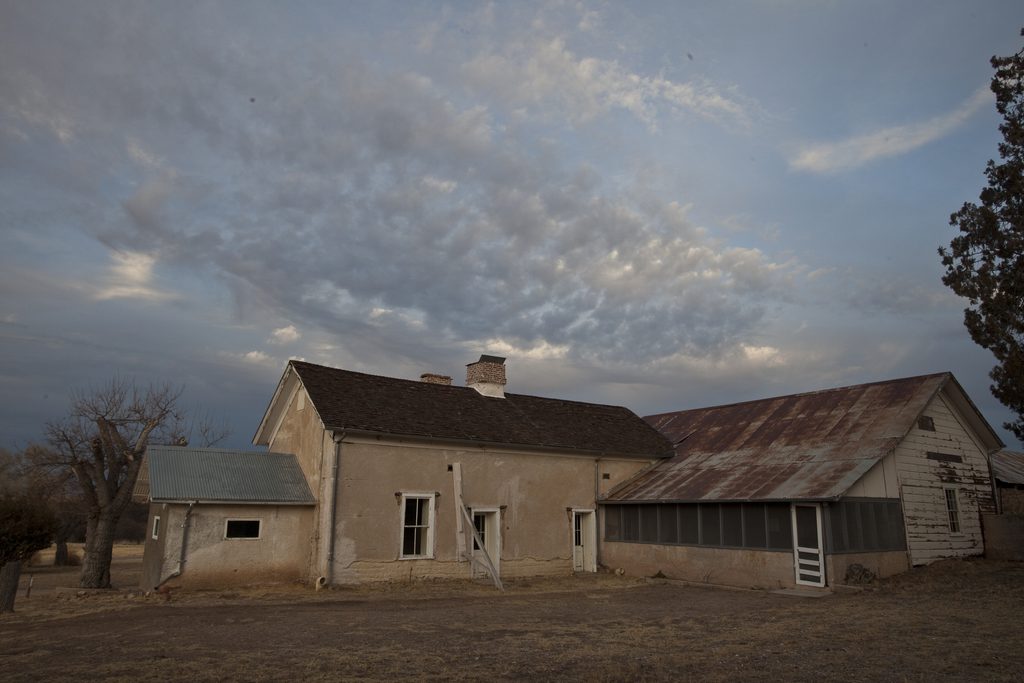
And the original ranch headquarters remains remarkably preserved.
There’s the historic adobe ranch house.
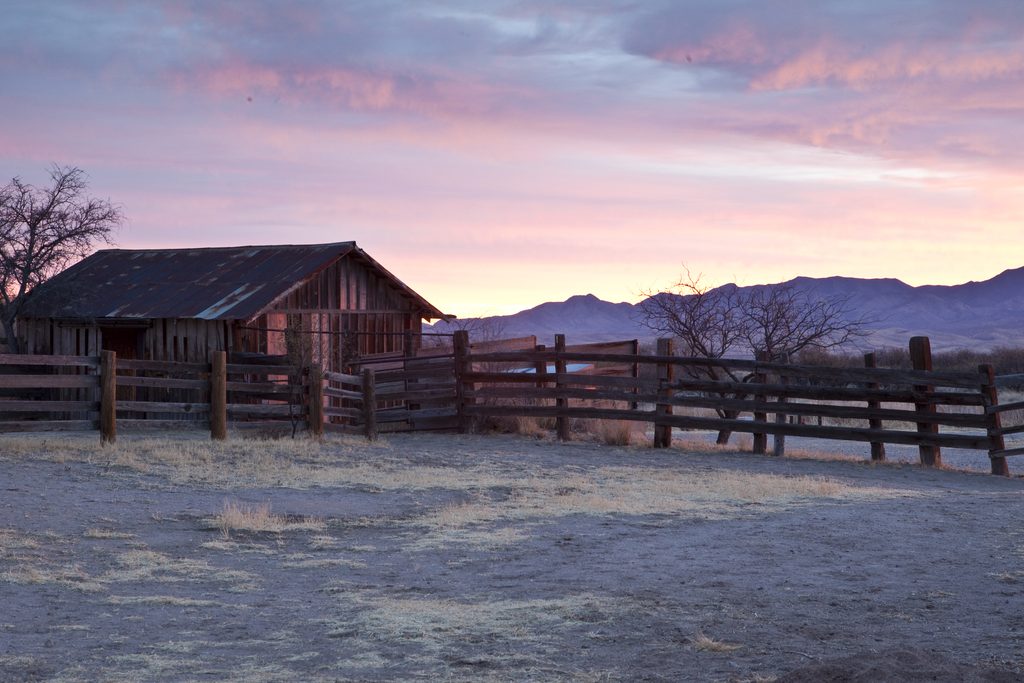
The corrals.
The hay barn.
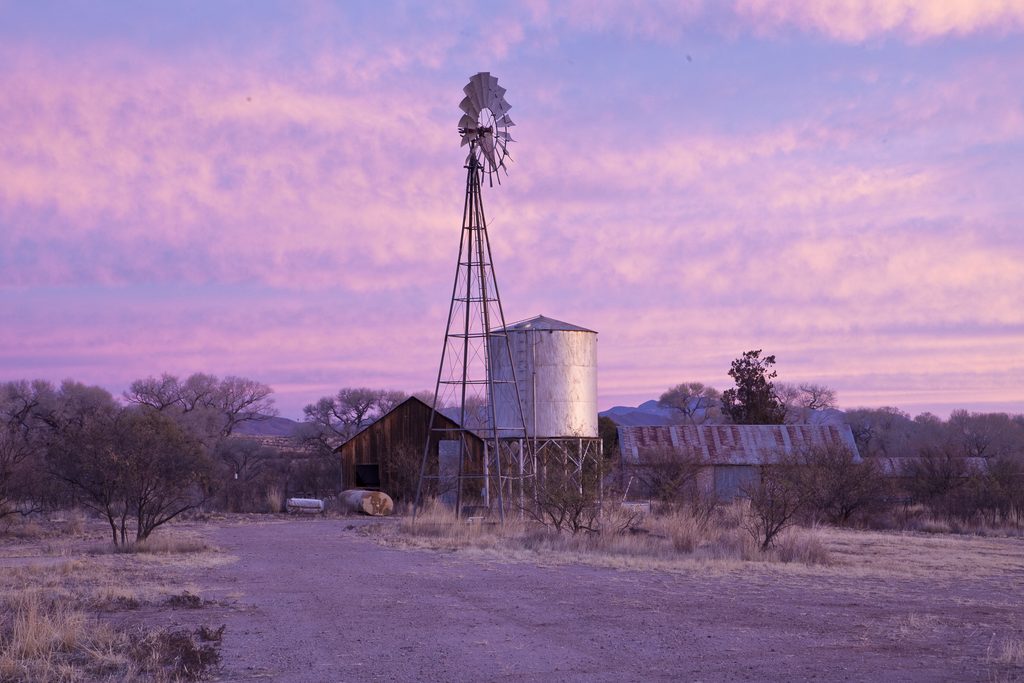
The windmill.
The wide-open grasslands.
And the mountains rising around the high-desert valley.
Looking at photographs of the property today, I can almost imagine the scene in 1890.
Horses moving through the corral.
Cattle gathered for the day’s work.
Dust hanging in the air.
A windmill turning somewhere in the distance.
And those vaqueros preparing for another day on the trail.
But here’s the thing…
I haven’t been there yet.
These photographs aren’t mine.
I’m looking at them as part of my research because Empire Ranch is now on my list of places I want to explore.
That’s the Curious Perro approach.
Curious Before.
Research the place.
Find the stories.
Look at the old photographs.
Learn about the people who were there.
Then go see it for yourself.
Because when I eventually stand inside that old ranch headquarters, I don’t want to see just an old building.
I want to understand what happened there.
And maybe, standing in the same landscape where those vaqueros once rode, I’ll have a much better idea of what that photograph was really telling us.
That’s the great thing about history.
Sometimes one photograph is all it takes to make you want to follow the trail.
Empire Ranch…
I’m coming.
Eventually.
Until then…
Live the Life Less Traveled. Stay Curious!