
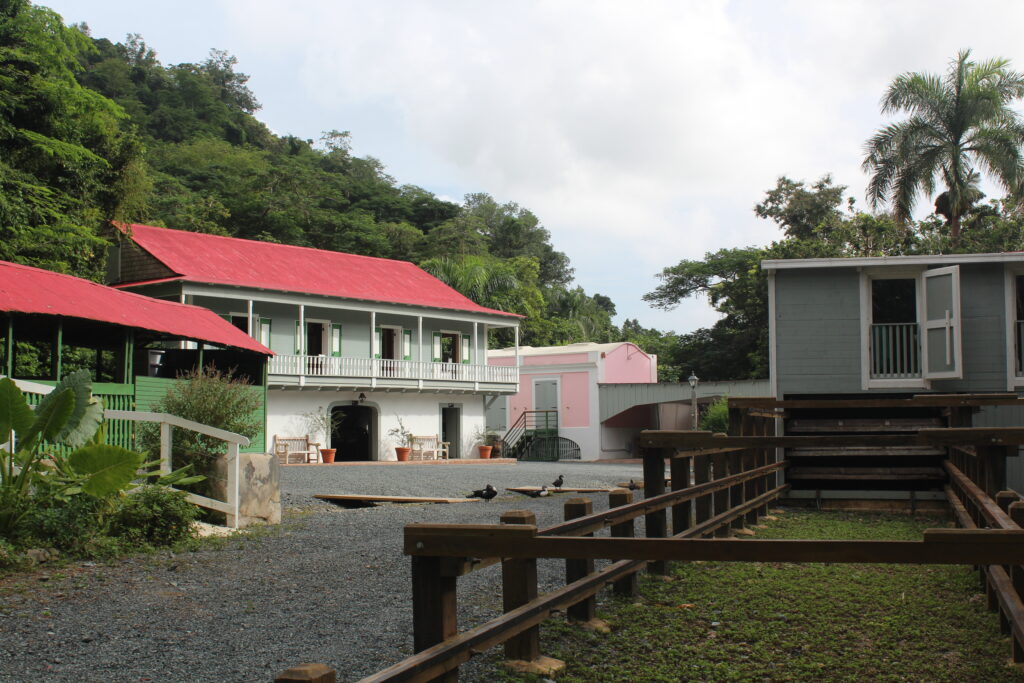
Hidden in the green hills north of Ponce, Puerto Rico, Hacienda Buena Vista preserves an extraordinary chapter of the island’s agricultural and industrial history. Its story includes coffee, ingenious 19th-century engineering, the legacy of slavery, and a remarkable hydraulic turbine that still operates using the power of the Río Cañas.
When you think about Puerto Rico, what comes to mind? Perhaps the colorful streets of Old San Juan, beautiful Caribbean beaches, Spanish forts, or the island’s unmistakable music and food.
But venture into the hills north of Ponce, and you’ll find a different side of Puerto Rico’s story. Here, surrounded by lush vegetation and the sounds of flowing water, sits Hacienda Buena Vista, one of the island’s most remarkable surviving historic agricultural estates.
At first glance, it might look like a beautiful old plantation surrounded by tropical greenery. Look a little closer, however, and you’ll discover something much more interesting: a 19th-century industrial operation that used the power of a river to run its machinery, process crops, and help establish Puerto Rico’s reputation as a producer of high-quality coffee.
And incredibly, some of that machinery still works.
A Plantation Begins in the Hills Above Ponce
The story of Hacienda Buena Vista begins with Salvador Vives, a Spanish military officer originally from Catalonia. Before settling in Puerto Rico, Vives had been stationed in Venezuela. He arrived in Ponce in 1821, eventually establishing a new life and acquiring land in the mountainous countryside north of the city.
Beginning in 1833, Vives purchased property in the area of Barrio Magüeyes, near the Río Cañas. Rather than immediately becoming a major coffee plantation, the estate initially concentrated on growing crops that supplied food to the surrounding region.
Plantains, corn, beans, yams, and other agricultural products were important parts of its early production. The farm also raised livestock and cultivated crops such as coffee and rice.
This early agricultural activity was closely connected to the expanding sugar economy along Puerto Rico’s southern coast. The growing sugar plantations required substantial food supplies for their workers, including enslaved people.
By 1837, Vives had acquired machinery to process agricultural products, including a corn mill and a coffee pulping machine. This was an important development. Instead of simply growing crops and selling them, the estate could process agricultural products and create additional value.
It was the beginning of Hacienda Buena Vista’s transformation into something much more sophisticated.
Carlos Vives and the Power of Water
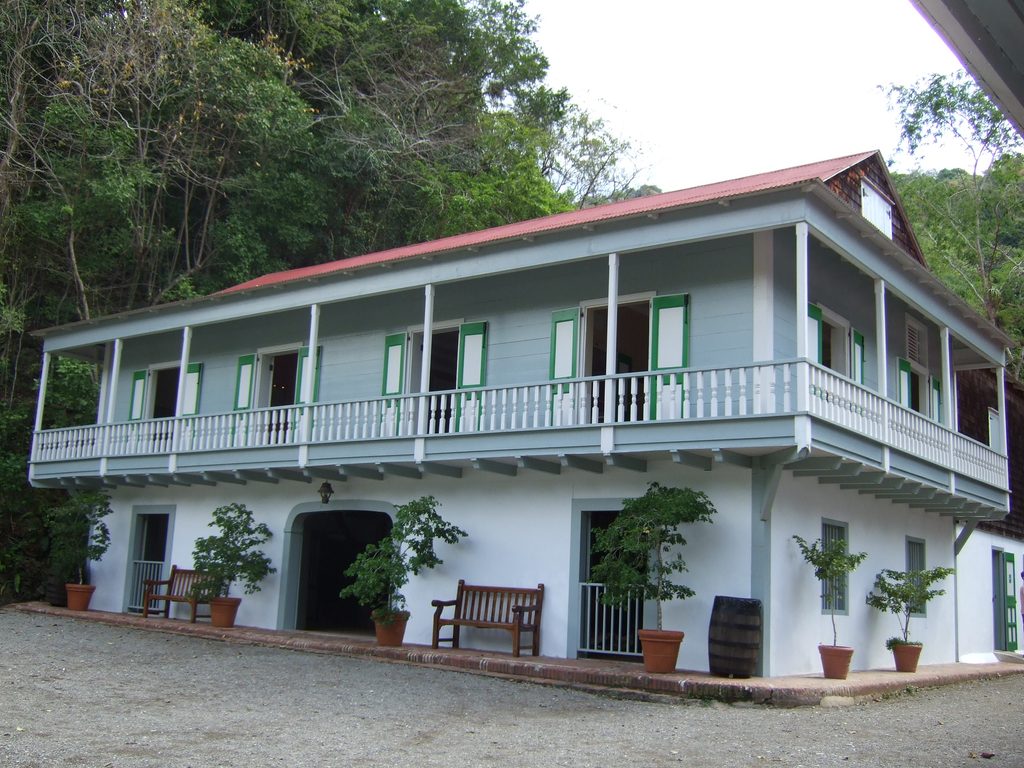
After Salvador Vives died in 1845, his son Carlos took over the operation. Carlos recognized an opportunity to improve production by replacing animal-powered machinery with equipment driven by water.
The nearby Río Cañas provided the answer.
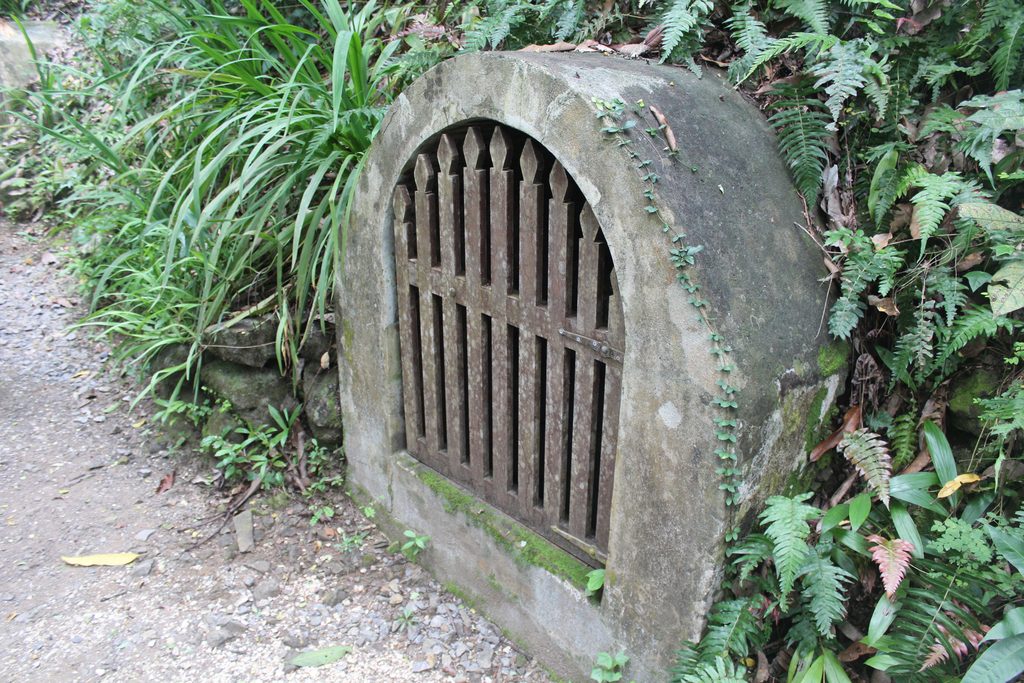
Beginning in 1847, the family developed an elaborate water system designed to bring the river’s energy to the plantation. The project included a canal extending approximately 2,600 feet, along with an aqueduct that carried water across a ravine.
Completed in 1851, this system was an impressive engineering achievement for its time.
The canal followed the natural contours of the hillside, directing water toward the plantation’s machinery. The water could be routed to different parts of the operation, powering equipment and eventually returning to the river.
The system wasn’t simply a ditch carrying water downhill. It was an integrated network designed to control the flow and use the available energy efficiently.
One particularly fascinating detail is the aqueduct itself. Built of masonry, it crosses a ravine and bears an inscription marking the year 1851.
But the most extraordinary part of the system was still to come.
The Barker Turbine: A Remarkable Piece of Engineering
In 1853, Carlos Vives ordered a hydraulic turbine from the West Point Foundry in Cold Spring, New York. The machinery was installed to power the corn mill, adding another level of sophistication to the plantation’s operation.
Known as the Barker turbine, it uses the reaction force created when pressurized water exits nozzles at the ends of rotating arms. As the water shoots outward, the assembly turns, transferring that motion through a shaft to the machinery above.
In other words, the plantation was using the force of moving water to do work that otherwise would have required considerable human or animal effort.
The American Society of Mechanical Engineers recognizes the machine as the only known surviving example of a Barker hydraulic reaction turbine, an important early design in the development of hydraulic machinery.
It is also recognized as a significant engineering landmark.
The turbine is especially interesting because it represents a transitional period in the development of water-powered technology. Its design reflects the evolution of early reaction turbines and incorporates features that made it a remarkably sophisticated machine for the mid-19th century.
And here’s the part that makes Hacienda Buena Vista especially appealing to curious travelers: the restored turbine can still be powered by water from the Río Cañas.
Think about that for a moment. A machine ordered in 1853, built to serve a working agricultural plantation, remains part of the story more than 170 years later.
From Corn to Coffee: Puerto Rico’s Golden Age
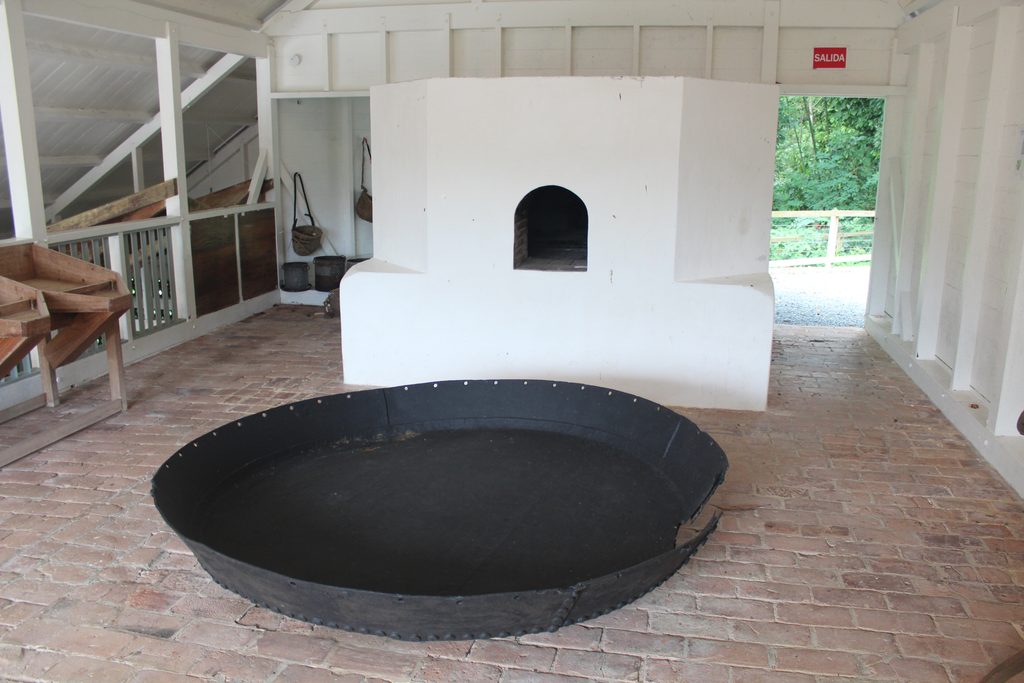
Although Hacienda Buena Vista eventually became known for coffee, corn processing was initially a major part of its success.
The estate’s corn flour became well regarded throughout Puerto Rico. Its mills helped supply food to communities and agricultural operations along the southern coast, and the plantation earned a reputation for the quality of its products.
But the economics of agriculture were changing.
During the second half of the 19th century, Puerto Rican coffee was becoming increasingly important in international markets. The island’s mountainous interior offered favorable growing conditions, and coffee produced in Puerto Rico developed a reputation for excellent quality.
The Vives family adapted.
In 1892, the machinery in the former corn mill building was modified to accommodate coffee processing. Equipment was installed to remove the outer pulp and husks from harvested coffee beans, allowing the estate to handle more of the production process on site.
Coffee processing involved several stages, including pulping, washing, drying, husking, airing, sorting, and packing.
The plantation’s water-powered machinery helped operate important parts of this process. A large wooden waterwheel, supplied by the canal system, powered equipment used to process the beans.
Drying was another carefully managed operation. Coffee beans needed several days of direct sunlight to remove excess moisture. The estate used specially designed drying trays that could be rolled outside during the day and moved under cover when rain or nighttime moisture threatened the crop.
At its height during the final decade of the 19th century, Hacienda Buena Vista processed considerably more than 10,000 pounds of coffee annually, with shipments sent to Europe.
Puerto Rican coffee was highly valued in international markets. In fact, the National Register documentation notes that some varieties of Puerto Rican coffee commanded prices above those of Brazilian coffee during the late 19th century.
Hacienda Buena Vista was part of this important period in the island’s agricultural history.
The Human Story Behind the Plantation
The impressive machinery, beautiful setting, and agricultural achievements are only part of Hacienda Buena Vista’s history.
Like many plantations of its era, the estate depended on enslaved labor. The construction of the canal and aqueduct system involved enslaved workers, and the historic property included a building used as quarters for enslaved people.
National Park Service records indicate that as many as 57 enslaved people lived in that building in 1854.
The structure was originally built in 1847. Following the abolition of slavery in Puerto Rico in 1873, it was later converted into a coffee-drying building.
This history deserves attention because the plantation’s engineering accomplishments and agricultural success cannot be separated from the people whose labor made them possible.
The water system, mills, crops, and buildings tell a story of innovation and enterprise. They also reveal the unequal and often brutal social and economic system in which the plantation operated.
Today, the preserved structures help visitors understand both sides of that history.
Hurricanes, Changing Markets, and the Decline of Coffee
The final years of the 19th century brought major challenges to Puerto Rico’s coffee industry.
Hurricane San Ciriaco struck the island in 1899, devastating coffee-growing areas. The damage was compounded by falling international coffee prices and changes in trade relationships following the Spanish-American War.
Puerto Rico’s coffee industry suffered a serious setback. Sugar production increasingly dominated the island’s agricultural economy, and coffee never regained its former position.
Hacienda Buena Vista adapted once again. The Vives family turned toward orange cultivation, supplying fruit to markets that included New York City.
The estate continued operating through much of the first half of the 20th century. In 1956, the Puerto Rican government expropriated most of the family’s remaining land as part of a land-distribution program. The Vives family retained approximately 87 acres containing the main historic buildings and water system.
The plantation’s story had changed considerably, but an important part of its physical history survived.
Restoration and a Living Museum
In 1984, the Conservation Trust of Puerto Rico acquired the remaining 87 acres of Hacienda Buena Vista.
What followed was a careful restoration project that relied on historic documentation, engineering records, family archives, and preservation expertise.
The work restored the agricultural machinery, buildings, and landscape features to reflect their historic appearance and function. By 1988, the complex had been restored as a living museum.
One interesting detail is that not every building standing today is an untouched original.
The coffee-processing building visitors see is a reconstruction based on historical records and photographs. The earlier structure had been destroyed by a hurricane in 1928, and the Conservation Trust reconstructed it during the restoration project.
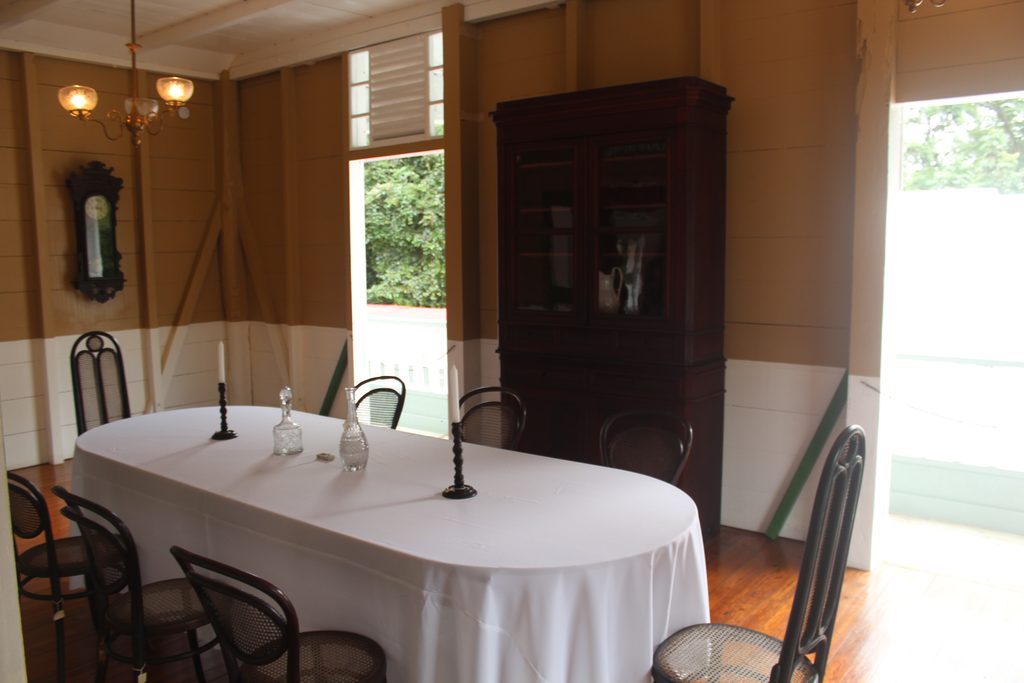
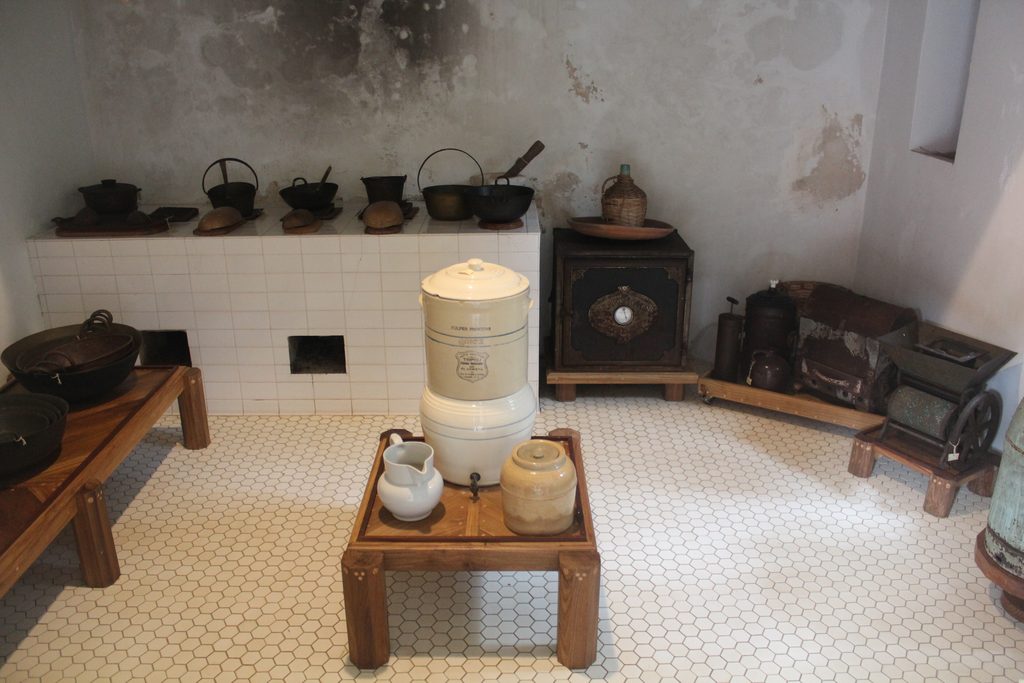
The other historic buildings include the manor house, stables, warehouses, caretaker’s buildings, corn mill, and the former quarters for enslaved people.
The entire property is approximately 87 acres, with eleven original historic buildings and the reconstructed coffee mill among its important features.
Hacienda Buena Vista was added to the U.S. National Register of Historic Places on October 17, 1994. Its machinery and engineering features have also been documented through the Historic American Engineering Record.
Today, the site is cared for by Para la Naturaleza, the conservation organization associated with the Conservation Trust of Puerto Rico.
More Than a Historic Coffee Plantation
One of the things that makes Hacienda Buena Vista so interesting is the relationship between its history and its natural surroundings.
The estate was designed around the landscape rather than simply imposed upon it. The river supplied power, the hills provided growing conditions, and the surrounding vegetation supported a diversified agricultural system.
Coffee was cultivated beneath shade trees, alongside crops such as cacao, oranges, plantains, and other fruits. This type of shaded polyculture farming created a varied agricultural environment that also supports biodiversity.
Today, visitors can explore the historic buildings, learn about the plantation’s machinery, follow portions of the old water system, and experience the surrounding subtropical forest.
Para la Naturaleza describes the site as a place where visitors can see the restored machinery operating and learn about the relationship between agriculture, water, nature, and the history of slavery.
That combination makes Hacienda Buena Vista more than a collection of old buildings. It is a place where engineering, agriculture, environmental conservation, and Puerto Rican history come together.
Visiting Hacienda Buena Vista
Hacienda Buena Vista is located in Barrio Magüeyes, north of Ponce, along Puerto Rico Route 123.
For travelers interested in Puerto Rico’s history beyond the familiar attractions, it offers a fascinating opportunity to explore the island’s agricultural and industrial past.
The guided experience can include the historic manor house, agricultural buildings, water-powered machinery, and surrounding natural areas. The opportunity to see the turbine and other machinery operating is particularly special.
Tours, schedules, and reservations are managed by Para la Naturaleza, so visitors should check the organization’s official website before making plans.
Official visitor information: https://www.paralanaturaleza.org/en/centers/hacienda-buena-vista
A River, a Plantation, and a Story Worth Discovering
Hacienda Buena Vista is a reminder that history isn’t always found in grand government buildings, famous battlefields, or the streets of a historic city.
Sometimes it is hidden in the mountains, beside a river, where a carefully engineered system once transformed flowing water into the power needed to grind corn and process coffee.
The plantation’s story reflects Puerto Rico’s agricultural ambitions, its place in international coffee markets, the ingenuity of 19th-century engineering, and the difficult legacy of slavery.
Its survival and restoration allow those stories to be explored in one remarkable setting.
And perhaps that’s what makes Hacienda Buena Vista such a worthwhile discovery: it offers a glimpse into a side of Puerto Rico that many travelers might never think to look for.
A historic plantation. A remarkable machine. A river that still helps bring the past to life.
Live the Life Less Traveled. Stay Curious.